500 hour Yoga Teacher Training in Rishikesh, India
Grow your teaching and deepen your yoga practice with our 500 Hour Yoga Teacher Training Course in Rishikesh. This all-inclusive program aims at all-in-one-techniques, anatomy, philosophy, and teaching approaches to enable you prepare to be a confident, knowledgeable, and genuine yoga instructor in the spiritual birthplace of yoga.
500 Hour Yoga Teacher Training Course in Rishikesh
Our 500 Hour Yoga Teacher Training Course in Rishikesh is a deeply immersive and well-structured program designed for serious yoga practitioners and teachers who want to advance both their personal practice and professional teaching skills. This Yoga Alliance–training follows the international standards and allows you to teach yoga with confidence anywhere in the world after completion 500 hour YTTC
The 500 Hour Yoga Teacher Training Course in Rishikesh will teach us advanced poses that will make you more flexible, stronger, and balanced and more focused in your mind. The course is not limited to physical postures but it encompasses mindfulness, relaxation, and stress-relief practices to enable you to have a powerful mind-body relationship. At the end of the training, you will be empowered with the knowledge, experience and confidence to be able to guide students in a skilled and authentic way.
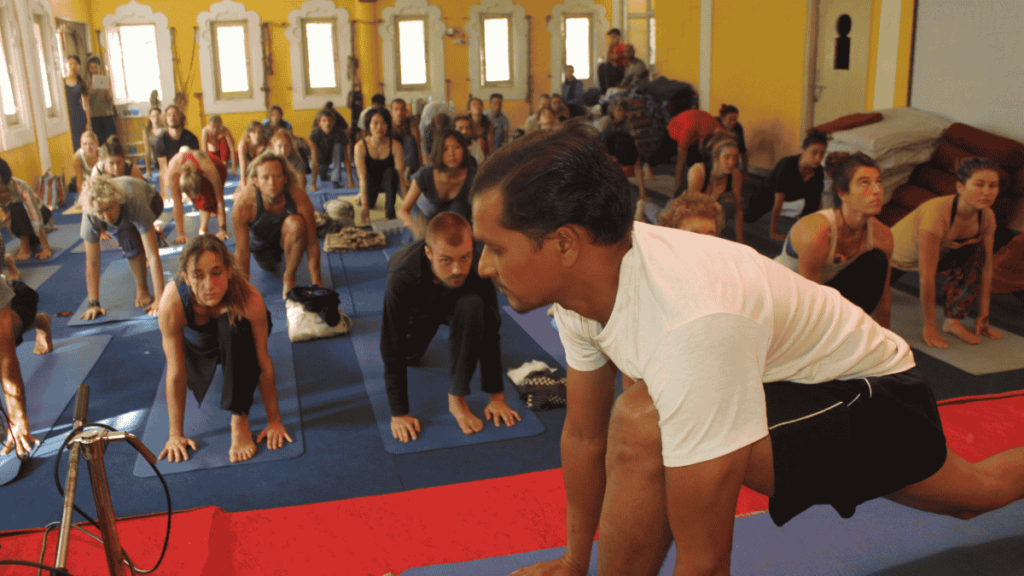
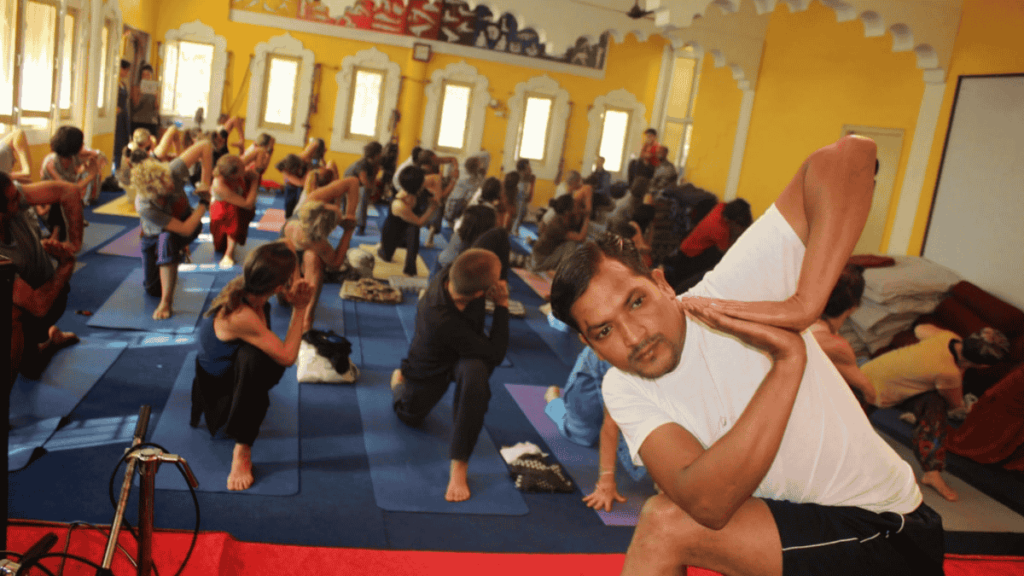
- Advanced Asana Techniques: Improve your practice and teaching through detailed alignment and muscle engagement techniques, including how to perform and teach complex postures.
- Meditation: Gain tools for incorporating meditation into your daily routine to cultivate mindfulness, deepen relaxation, and improve mental focus.
- Pranayama (Breathwork): Learn advanced breathing techniques to increase energy flow, enhance concentration, and support emotional well-being.
- Yoga Philosophy: Study ancient texts and modern applications of yoga philosophy, learning how to integrate this knowledge into both personal practice and teaching.
- Anatomy and Physiology: Dive into human anatomy to understand how yoga impacts the body. Learn how to teach injury prevention and awareness.
- Course Description: Develop the skills to create, organize and deliver innovative and interactive yoga classes for students of all levels.
Detailed Overview of the 500 Hour Yoga Teacher Training in Rishikesh
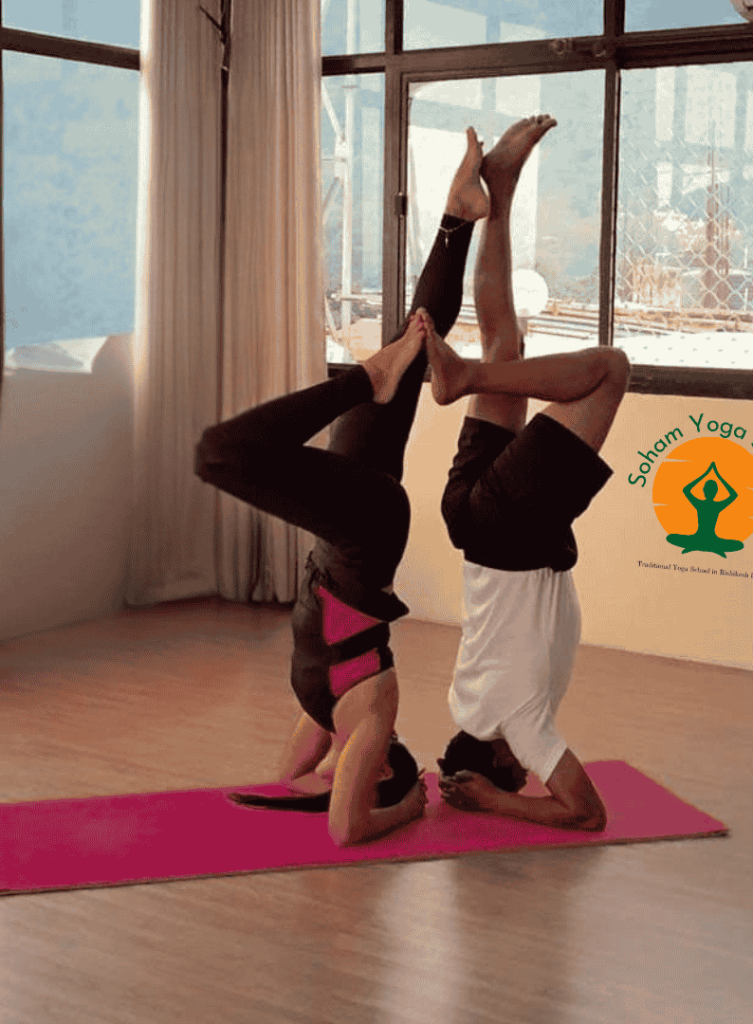
Course Name-
500-Hour Yoga Teacher Training
Level-
Intermediate to Advance
Yoga Style-
Hatha Yoga/Vinyasa
Duration-
49 days
Module-
Residential with Meals
Language of Instruction-
English
Certification-
RYT 500 - Yoga Alliance
Venue-
Soham Yoga School
Location-
Rishikesh
Course Fee-
Food + Private Accommodation - 2999 USD
Food + Shared Accommodation- 2699 USD
Why Choose Soham Yoga School for 500 YTTC in Rishikesh
Learn from experienced, dedicated, and qualified teachers who will be happy to share their wisdom with you. Thanks to years of teaching and experience, our teachers take each student one at a time, developing your thinking and developing your skills. Their training is essential for improving practice and teaching.
Studying in Rishikesh offers a unique opportunity to immerse yourself in the rich culture of India. Enjoy local entertainment, visit sacred temples, and experience the spiritual power of this vibrant city while deepening your connection to yoga and expanding your knowledge.
Our 500 hour yoga teacher training in Rishikesh offers an authentic approach to yoga. This course will give you a deeper understanding of yoga and yoga philosophy, from advanced Hatha and Ashtanga practices to pranayama, meditation, and yoga philosophy. You will expand your knowledge and improve your teaching skills with our program.
After completing 500 hours of yoga teacher training in Rishikesh, India, you will receive a certificate of completion from the Yoga Alliance. This international qualification allows you to teach yoga anywhere in the world, giving you the confidence to lead yoga classes around the world.
500 Hour YTTC Syllabus/Daily Schedule1

Daily Schedule: 500 Hour Yoga Teacher Training in Rishikesh
05:00 AM
Morning Bell 🔔
06:30 - 07:30 AM
Pranayama / Shatkarma
07:30 - 09:00 AM
Asana Practice
09:00 - 10:00 AM
Breakfast
10:00 - 11:00 AM
Yoga Anatomy
11:00 - 12:00 AM
Asana Alignment and Adjustment
12:30 - 01:30 PM
Yoga Philosophy/Ayurveda
01:30 - 02:00 PM
Lunch
04:00 - 05:30 PM
Asana Flow / Alignment
06:00 - 06:45 PM
Meditation/Mantra Chanting
07:300 - 08:30 PM
Dinner
10:00 PM
Lights Off
The Schedule Time will be Change According to the Session
500 Hour Yoga Teacher Training Syllabus
Standing / Arm Balancing Asanas
Basic Standing Poses
- Samasthiti – Tadasana (Mountain Pose): Advance grounding techniques, energy locks, and Integration of bandhas.
- Urdhva Hastasana (Raised Hand Pose): Spinal elongation and introduction to advanced variations.
- Vriksasana (Tree Pose): Exploring hand mudras and enhanced stability practices.
- Utkatasana (Chair Pose): Introducing dynamic flows to deepen strength and alignment.
Expanded Standing Asanas
- Utthita Trikonasana (Extended Triangle Pose): Incorporating advanced variations and dynamic transitions.
- Parivritta Trikonasana (Revolved Triangle Pose): Work on more core engagement and twist with breath.
- Utthita Parsvakonasana (Extended Side Angle Pose): Binds and fluid transitions up in this.
- Parivritta Parsvakonasana (Revolved Side Angle Pose): Add more advanced balancing twists and their adjustments.
Warrior Series
- Virabhadrasana 1 (Warrior 1 Pose): Work with dynamic flows between the Warrior poses.
- Virabhadrasana 2 (Warrior 2 Pose): Emphasis on gaze (drishti) and inner energeticness focus.
- Virabhadrasana 3 (Warrior 3 Pose): Balance sequences to be made dynamic, and more alignment progressed.
Advanced Standing Asanas
- Eka Pada Uttanasana (One-Legged Forward-Bend): Advanced stability techniques and flexibility enhancement.
- Parivritta Prasarita Padottanasana (Revolved Wide-Legged Forward Bend): Aligning through deeper awareness.
Balancing Poses
- Garudasana (Eagle Pose): Varied flows with advanced variant sequences.
- Ardha Chandrasana (Half-Moon Pose): The ground for more dynamic transitions and work with props.
- Parivritta Ardha Chandrasana (Revolved Half-Moon): Twists are drawn along a deeper path and help with core working.
Forward Bends and Stretches
- Prasarita Padottanasana (Wide-Legged Forward Bend): Breathwork included again here for deeper stretches.
- Padangusthasana (Extended Hands to Big Toe Pose): Transitioning into practice in an advanced manner.
- Parsvottanasana (Intense Side Stretch): Joining strength along with flexibility.
Backbends
- Kapotasana (Pigeon Pose): Sequences explored in opening the hips which lead further into deeper backbends.
- Urdhva Dhanurasana (Wheel Pose): Transitional refinement on backbends with props.
- Natarajasana (Dancer Pose): Advance adding balance techniques and flows.
Inversions
- Adho Mukha Vriksasana (Handstand): Breath for strength and advanced techniques for entering.
- Pincha Mayurasana (Forearm Balance): Advanced alignment and core-strengthening techniques.
- Sirsasana (Headstand): Transitions from Sirsasana to arm balances.
Arm Balances
- Bakasana 2 (Advanced Crow Pose): Core strength and refinement of movement.
- Eka Pada Koundinyasana 1 & 2 (One-Legged Arm Balances): Breath meets strength.
- Tittibhasana (Firefly Pose): Combine flexibility and dynamic transitions.
- Astavakrasana (Eight-Angle Pose): Fine-tuning sequences to make an advanced transition.
Other Advanced Asanas
- Vasisthasana (Side Plank Pose): Opening the class up with difficult variations, such as leg lifts and binds.
- Parighasana (Gate Pose): Advanced binding and alignment techniques.
Additional Practices
- Pranayama: Advanced techniques for Kumbhaka, Bhramari, and Sitali.
- Meditation: Showing depth in practice, whether visualizations, silent meditation, or advanced mantra repetition.
- Yoga Philosophy: Study advanced texts like the Hatha Yoga Pradipika and Shiva Samhita.
- Anatomy: Advanced anatomy for injury prevention on advanced postures.
- Teaching Techniques: Teaching multi-level classes, handling energy, and offering a safe space for everybody.
Advanced Methodology of Teaching
- Sequencing for Mastery: Staging more complex sequences for students of all levels.
- Hands-On Adjustments: Advanced techniques for assisting students with alignment and for comfort.
- Theming the Classes: Weaving yoga philosophy through thematically based classes for richness of meaning.
Seated / Supine Asana
Seated Poses
- Dandasana (Staff Pose): Focus on core engagement and spinal elongation.
- Baddha Konasana (Bound Angle Pose): Advanced variations with forward folds and dynamic movements.
- Upavista Konasana (Seated Wide Angle Pose): Incorporating side stretches and twists for flexibility.
- Virasana (Hero Pose): Reclined variations for deeper hip and thigh stretches.
- Gomukhasana (Cow Face Pose): Emphasizing symmetry and adding arm binds.
- Padmasana (Lotus Pose): Refining alignment for pranayama and meditation.
- Sukhasana (Easy Pose): Advanced seated pranayama techniques.
- Simhasana (Lion Pose): Tension release and vocal expression.
Core and Boat Poses
- Navasana (Boat Pose): Incorporating dynamic core movements.
- Ardha Navasana (Half Boat Pose): Transitioning between Navasana and Ardha Navasana.
- Paripurna Navasana (Full Boat Pose with Variations): Intensifying core engagement with arm and leg variations.
Forward Bends and Stretches
- Janu Sirsasana (Head to Knee Pose): Adding lateral stretches for flexibility.
- Trianga Mukha Eka Pada Pashchimottanasana (Three-Limb Intense Stretch Pose): Deepening forward folds with alignment focus.
- Marichyasana Series (Sage’s Poses): Integrating binds, twists, and breath.
- Pashchimottanasana (West Stretch Pose): Exploring dynamic forward bends.
- Ardha Baddha Padma Pashchimottanasana (Half Bound Lotus Forward Bend): Deeper stretches with lotus variations.
Squatting Poses
- Malasana 1 (Garland Pose): Enhancing pelvic mobility and grounding.
- Malasana 2 (Garland Pose with Variations): Adding twists and arm balances.
Twisting Poses
- Bharadvajasana Series (Sage Bharadvaj Poses): Deepening spinal twists with breathwork.
- Ardha Matsyendrasana Series (Half Lord of the Fish Poses): Advanced twists with dynamic transitions.
Reclining Poses
- Supta Padangusthasana Series (Reclined Big Toe Poses): Adding deeper stretches with props.
- Supta Baddha Konasana (Reclined Bound Angle Pose): Dynamic movements to increase mobility.
- Supta Virasana (Reclining Hero Pose): Advanced variations for hip and thigh opening.
- Ananda Balasana (Happy Baby Pose): Rocking movements for spinal release.
Backbends and Inversions
- Setu Bandha Sarvangasana (Bridge Pose): Advanced alignment and dynamic variations.
- Viparita Karani Mudra (Legs Up the Wall Pose): Restorative inversions with advanced techniques.
- Urdhva Mukha Svanasana (Upward-Facing Dog Pose): Shoulder opening and back flexibility.
- Bhujangasana (Cobra Pose): Incorporating arm variations for deeper backbends.
- Salabhasana (Locust Pose): Dynamic movements and arm variations.
- Ustrasana (Camel Pose): Deepening the backbend with advanced arm variations.
- Dhanurasana (Bow Pose): Advanced transitions and alignment refinement.
- Matsyasana (Fish Pose): Leg variations for enhanced flexibility.
Relaxation and Restorative Poses
- Balasana (Child’s Pose): Incorporating breathwork for deeper relaxation.
- Dandasana (Staff Pose): Exploring restorative alignment techniques.
- Savasana (Corpse Pose): Advanced guided relaxation and Yoga Nidra practices.
Additional Elements of the 500-Hour Course
- Pranayama: Advanced techniques, integrating with asanas for energy flow and mental clarity.
- Meditation Practices: Exploring mindfulness, concentration, and advanced meditation techniques.
- Anatomy and Physiology: In-depth understanding of musculoskeletal function, joint mechanics, and injury prevention.
- Teaching Methodology: Developing personalized teaching styles, lesson planning, and inclusivity in classes.
- Yoga Philosophy: Deep dive into key yogic texts, ethics, and the spiritual aspects of yoga practice.
Backward Extension / Inversion Asana
Back Strengthening Poses
- Urdhva Mukha Svanasana (Upward Facing Dog): Focus on alignment and advanced variations to build back strength and stability.
- Bhujangasana (Cobra Pose): Emphasizing flexibility, deep extension, and spinal health.
- Salabhasana (Locust Pose): Arm and leg adjustments for strengthening the lower back.
- Sarpasana (Snake Pose): Deepened practice with clear instruction on alignment and spinal extension.
- Ardha Ustrasana (Half Camel Pose): Transition into full camel pose, focusing on chest opening and stability.
- Purna Ustrasana (Full Camel Pose): Advanced variations with hand placement (heels or blocks), emphasizing deep back extension.
- Setu Bandha Sarvangasana (Bridge Pose): Practice of transitions to and from wheel pose to improve flexibility and strength.
- Dhanurasana (Bow Pose): Full backbend variations with an emphasis on hip and chest opening.
- Urdhva Dhanurasana (Upward Bow Pose / Wheel Pose): Advanced variations with transitions from Wheel Pose to standing or movement exploration.
- Matsyasana (Fish Pose): Exploring flexibility with extended legs and deeper back extension for spinal health.
- Eka Pada Rajakapotasana Prep (King Pigeon Prep): Working on back and shoulder opening techniques for full pigeon pose preparation.
Lunges and Low Poses
- Anjaneyasana (Low Lunge Pose): Advanced variations with focus on deep lunges, hand placements, and flexibility.
- Ashtanga Namaskar (Eight-Limbed Salutation): Flowing sequence to build strength, balance, and stability.
- Ashva Sanchalanasana (Horse Pose with Variations): Adding twists, backward rotation, and increasing flexibility.
- Parivrtta Anjaneyasana (Revolved Low Lunge): Spinal alignment with deep twists for strength and balance.
Inversions
- Salamba Sirsasana Prep (Supported Headstand Prep): Advanced techniques for shoulder and head alignment, building strength and balance for inversions.
- Salamba Sirsasana (Supported Headstand with Variations): Explore leg positioning variations like lotus foot and different foot placements for balance.
- Salamba Sarvangasana (Supported Shoulderstand): Focus on foot and hand alignment with rotations for deep shoulder engagement.
- Halasana (Plow Pose): Correcting rotations for spine flexibility and deeper backbend in shoulderstand variations.
- Eka Pada Sarvangasana (One-Legged Shoulderstand): Strengthen the core and improve balance by experimenting with one-legged poses.
- Parsva Halasana (Side Plow Pose): Integrating forward twisting motions for deeper spinal release.
- Supta Konasana (Reclined Angle Pose): Focus on flexibility, with adjustments for proper alignment and deep stretch.
- Viparita Karani Mudra (Legs Up the Wall Pose): Therapeutic benefits with advanced techniques to support relaxation and rehabilitation.
- Karnapidasana (Ear Pressure Pose): A deep flexibility and relaxation pose, helping release tension in the lower back.
- Adho Mukha Vrksasana Prep (Handstand Preparation): Strength-building steps for handstand preparation with a focus on arm and core strength, building confidence.
Expanded Focus Areas for 500-Hour Teacher Training
Advanced Teaching Methodology
- In-depth teaching techniques: Focus on offering clear verbal cues, demonstrating effective adjustments, and offering hands-on assists with sensitivity.
- Sequencing: Learn to create classes for various levels, incorporating a mix of strengthening, flexibility, and inversion practices.
- Therapeutic applications: Understand how to tailor sequences for students with specific needs, focusing on injury prevention and rehabilitation.
Anatomy and Physiology
- Detailed musculoskeletal anatomy: Deep dive into muscles, joints, and movement patterns involved in backbends and inversions.
- Biomechanics: Study the alignment and mechanics of inversions, understanding their impact on the spine, shoulders, and hips.
- Nervous system: Explore how inversion poses impact the nervous system and circulation, supporting mindfulness and restorative practice.
Pranayama and Meditation
- Pranayama techniques: Study how breathwork supports inversions and backbends, including Ujjayi, Kapalbhati, and Nadi Shodhana.
- Meditation for Inversions: Using breath and visualization to cultivate mental clarity and focus during advanced poses.
Yoga Philosophy and Ethics
- Philosophy integration: Explore the connection between asana practice and philosophical teachings from the Yoga Sutras and Bhagavad Gita.
- Ethical considerations: Deepening understanding of the ethical aspects of teaching yoga, including non-harming (Ahimsa) and respect for the individual path of each student.
Practicum and Teaching Practice
- Assisted teaching: Lead small groups in backward extension and inversion poses, practicing verbal and physical adjustments.
- Personal teaching style: Develop and refine your teaching voice, and create sequences that align with your personal philosophy and style.
Important Learnings
Most Important
- Sun Salutations: Become proficient in traditional and advanced variations; learn to enhance breath and flow efficiency.
- Teaching Techniques: Learn how to configure group layouts, enhance communications, and teach different levels.
- Special Topics: Learn to deal with heart disease management, injury prevention, and the therapeutic uses of props.
Teaching Tips
- Group Layouts: Explore circular and other advanced class setups for better energy flow and engagement.
- Communication Skills: Refine language, hands-on adjustments, and class management to support diverse students.
- Classroom Dynamics: Create a positive, inclusive learning environment through effective teaching methods.
Special Topics
- Heart Disease Management: Integrate pranayama and asanas to improve cardiovascular health.
- Injury Prevention: Learn how to modify poses and prevent injuries.
- Therapeutic Use of Props: Use equipment to support students and aid recovery.
- Asana Variations: Teach complex modifications and advanced asanas for flexibility, strength, and relaxation.
Recommendations
- Barriers to Huge Performance: Learn to support injuries and other diverse practitioners.
- Injury Management: Learn techniques for recovery and safe alignment in practice.
Expanded Focus Areas for 500-Hours Teacher Training
- Advanced Teaching Methodology: Design personalized, themed classes for specific health needs and diverse groups.
- Anatomy and Physiology: Study the musculoskeletal system, biomechanics, and how to prevent injuries during yoga practice.
- Pranayama and Meditation: Practice and teach advanced pranayama.
- Yoga Philosophy and Ethics: Study yogic texts and ethical practices that will help guide one to create a safe and inclusive space.
- Practicum and Teaching Practice: Lead classrooms, receive feedback, and refine your design of a balanced sequence involving asana, pranayama, and meditation.
Pranayama (Breathing Techniques)
Pranayama (Breathing Techniques)
Advanced Pranayama Techniques:
- Introduction to Pranayama: Dive into advanced techniques, focusing on enhancing awareness and energy balance.
- Breathing Techniques:
- Clavicular Breathing: Activating energy.
- Thoracic Breathing: Expanding breath capacity.
- Diaphragmatic Breathing: Strengthening core and breath integration.
- Yogic Breathing: Integrating all layers of breath.
Pranayama Practices:
- Ujjayi: Mindfulness and focus.
- Bhramari: Calmness and vibrational healing.
- Bhastrika: Generating inner fire.
- Kapalbhati: Detoxifying and energizing.
- Nadi Shodhana: Cleansing energy channels.
- Surya Bhedi: Sun energy techniques.
- Chandra Bhedi: Restorative moon energy techniques.
- Sheetali & Sheetkari: Cooling breath practices for therapeutic effects.
Meditative Practices
Introduction to Meditative Poses:
- Learn how to create comfortable, stable asanas for meditation.
Advanced Meditation Techniques:
- Guided meditation: Enhancing visualization.
- Silent meditation: Deepening focus.
Understanding Prana:
- Explore the connection to life force energy.
Energetic Anatomy and Physiology
- Nadis: Advanced study of energy channels.
- Energy Centers (Chakras): Balancing and activating chakras.
- The Subtle Body System: Understanding the relationship between the gross, subtle, and causal bodies.
- Koshas: Integration of the five layers of being in practice.
Advanced Practical Considerations
Sequencing and Timing:
- Learn how to design and teach advanced, well-rounded classes.
Therapeutic Yoga:
- Using pranayama and asana for specific health conditions.
Benefits and Contraindications:
- Understanding how to address diverse practitioner needs.
Advanced Topics for 500-Hour Teacher Training
Bandhas (Energy Locks):
- Learn techniques to engage energy locks for better practice and healing.
Mudras (Gestures):
- Explore the use of mudras to harness and direct energy.
Kriyas (Cleansing Techniques):
- Jal Neti and Sutra Neti: Nasal cleansing techniques for clarity and balance.
- Trataka: Concentration practice to improve focus.
Mantra Chanting:
- Incorporate sound vibrations into practice for deeper connection and healing.
Advanced Asana Practice
- Modifications and Progressions: Learn how to adjust poses for varied levels and specific needs.
- Teaching Advanced Students: Understand advanced adjustments, alignment, and injury prevention techniques.
Anatomy and Physiology for Yoga
- In-depth Study: Explore the musculoskeletal system, nervous system, and how they relate to yoga practice.
- Body Mechanics and Injury Prevention: Understand how to avoid injuries through proper alignment and technique.
Teaching Methodology
- Class Design: Learn to design classes for varying levels and needs.
- Language and Communication: Improve teaching presentation, hands-on adjustments, and effective communication.
Pranayama for Specific Health Conditions
- Learn how pranayama can assist in managing respiratory issues, digestive health, and emotional well-being.
Advanced Yoga Philosophy
- Yoga Sutras and Bhagavad Gita: In-depth study with practical applications in modern yoga.
- Ethical Teaching Practices: Understand how to embed ethical principles into your teaching methodology.
Practicum and Practice Teaching
- Lead practice classes, receive feedback, and work on sequencing, incorporating pranayama, asana, and meditation for a well-rounded session.
Shatkarma (Cleansing Techniques)
Advanced Shatkarma Techniques
- Introduction to Shatkarma: Deepen your understanding of the six cleansing practices in yoga.
- Importance in Advanced Yoga: Explore how Shatkarma enhances the connection between cleansing, pranayama, and overall yoga practice.
Advanced Techniques for Each Shatkarma:
- Jala Neti: Learn advanced variations and integrate this practice into daily life for better sinus health.
- Trataka: Practice extended concentration techniques to improve focus and enhance inner vision.
- Kunjal Kriya: Master gastric cleansing techniques for detoxification and digestive health.
- Agnisara Kriya: Refine techniques to stimulate and strengthen the digestive fire.
- Nauli: Develop advanced abdominal strength through deep cleansing and purification.
- Basti: Explore both water and dry Basti techniques for colon cleansing and improving digestive function.
Additional Cleansing Practices:
- Eye-Cleansing Techniques: Strengthen and relax the visual system through advanced eye-cleansing practices.
- Kapalarandhra Dhauti: Detoxify the frontal sinuses to clear respiratory pathways.
- Danda Dhauti: Explore the esophageal cleansing technique using a rod for better digestive health.
Integration into Daily Practice:
- Combining Practices: Learn how to integrate Shatkarma with pranayama and asana for optimal health benefits.
- Tailoring to Individual Needs: Customize cleansing practices based on specific health requirements.
Practical Considerations:
- Preparing the Body and Mind: Guidance on preparing yourself physically and mentally for advanced cleansing.
- Benefits and Contraindications: Learn the specific benefits and limitations of each technique.
- Ethical and Hygienic Aspects: Understand the ethical practices and hygiene necessary for Shatkarma.
Advanced Shatkarma for Specific Needs:
- Therapeutic Applications:
- Digestive Disorders: Use Shatkarma to support healing of common digestive issues.
- Mental Clarity & Stress Relief: Techniques for enhancing mental clarity and reducing stress.
- Detoxification: Detoxify the body based on specific health conditions.
Guiding Advanced Students:
- Teaching Safely: Learn to teach Shatkarma techniques effectively, ensuring safe practices for advanced students.
- Modifying Practices: Address challenges by modifying techniques based on individual needs.
Advanced Considerations for 500-Hour Teacher Training:
- Personalizing Cleansing Practices: Deepen your ability to personalize Shatkarma sequences for varied student needs.
- Deepening Knowledge of Physiological Effects: Understanding the deeper effects of Shatkarma on the body and mind, improving your ability to teach with expertise.
- Incorporating Shatkarma into Yoga Sequences: Learn how to combine cleansing practices with asana and pranayama to create comprehensive, therapeutic yoga sequences.
- Guiding Students Through Detox Programs: Develop the ability to guide students through complete detoxification programs with Shatkarma, pranayama, and other practices.
Mudras and Bandhas
Introduction to Mudras:
- Role of Mudras: Learn how Mudras regulate energy, enhance meditation, and promote spiritual awakening.
- Mudras in Meditation & Pranayama: Use Mudras to deepen meditation and enhance breathing practices.
Advanced Mudra Techniques:
- Jnana Mudra: Practice for wisdom and higher knowledge.
- Chin Mudra: Deepen the connection to consciousness and the universe.
- Shanmukhi Mudra: Enhance inner silence and sensory withdrawal.
- Bhairava Mudra: Invoke fearlessness and protection.
- Shambhavi Mudra: Stimulate the pineal gland and heighten perception.
- Nasikagra/Pranav Mudra: Balance energy channels and activate the third eye.
- Viparita Karani Mudra: Advanced techniques for reversing energies and inducing deep relaxation.
Advanced Bandhas (Energy Locks):
- Mula Bandha: Advanced practice for root energy and grounding.
- Uddiyana Bandha: Strengthen the core and expand vital energy.
- Jalandhara Bandha: Support pranayama and energy flow with the throat lock.
- Maha Bandha: Combine all Bandhas for maximum energy control.
Integrating Mudras and Bandhas:
- In Meditation: Use Mudras and Bandhas to deepen concentration and awareness.
- In Asana: Integrate Mudras and Bandhas for dynamic and advanced practice.
- Therapeutic Applications: Address physical, mental, and emotional imbalances using Mudras and Bandhas.
Mudras and Bandhas for Self-Healing & Spiritual Development:
- Activate Chakras and Pranic Channels: Use Mudras to influence energy flow and awaken chakras.
- Detoxification & Energy Purification: Combine Bandhas and Mudras for internal cleansing.
- Gateway to Higher Consciousness: Use Mudras and Bandhas to access deeper states of awareness.
Teaching Mudras and Bandhas:
- Guiding Students Safely: Learn how to teach Mudras and Bandhas with proper alignment and energy flow.
- Correcting Practices: Master adjustments to ensure effectiveness and safety.
- Contraindications and Modifications: Understand when and how to modify for specific needs.
Integrating Mudras and Bandhas into Daily Practice:
- Designing Sequences: Create sequences that incorporate Mudras and Bandhas for varied student levels.
- For Advanced Students: Tailor Mudra and Bandha sequences into asana and pranayama for deeper practice.
Advanced Topics:
Therapeutic Applications for Specific Conditions:
- Respiratory Disorders: Use Mudras and Bandhas to support lung function and improve breathing.
- Mental Clarity & Emotional Balance: Enhance focus and emotional regulation through Mudra and Bandha practices.
- Energy Healing & Stress Reduction: Use Mudras and Bandhas to clear blockages and reduce stress.
Mudras and Bandhas in the Subtle Body:
- Enhancing Prana Flow: Use Mudras and Bandhas to optimize the flow of energy through the subtle body.
- Spiritual Practices: Learn how these practices support deeper spiritual development and higher consciousness.
For the 500-Hour Teacher Training:
- Deepening Understanding: Explore advanced applications of Mudras and Bandhas for self-awareness and self-healing.
- Comprehensive Sequencing: Integrate Mudras and Bandhas into all aspects of yoga practice (asana, pranayama, and meditation).
- Personalization: Customize Mudra and Bandha sequences based on students’ needs and conditions.
- Advanced Teaching Techniques: Develop the skills to guide students of all levels safely and effectively through Mudra and Bandha practices.
Ayurveda
Introduction to Ayurveda
- Get to know Ayurveda – Dive into this comprehensive health system that brings together physical, mental, and spiritual well-being.
- Ayurveda & Yoga – Find out how Ayurveda and yoga work hand in hand to promote your overall healthPrinciples in YogicPractice – Discover how the wisdom of Ayurveda can enhance your yoga journey, helping you achieve a more harmonious lifestyle.
The Three Gunas (Qualities of Nature)
- Satva – Nurture purity, clarity, and harmony.
- Rajas – Find balance in activity, desire, and passion.
- Tamas – Manage inertia, darkness, and negativity.
- Gunas in Yoga – Apply these qualities to maintain mind-body balance during practice.
Tridoshas (Fundamental Energies)
- Vata – Understand movement, vitality, and the nervous system.
- Pitta – Regulates digestion, metabolism, and transformation.
- Kapha – Maintain stability, immunity, and hydration.
- Dosha Imbalances – Recognize signs of imbalance and restore harmony through diet and lifestyle.
The Five Elements: Panchamahabhutas
- Earth (Prithvi) – Strengthen stability through grounding practices.
- Water (Jala) – Foster adaptability, fluidity, and hydration.
- Fire (Agni) – Enhance energy transformation and mental focus.
- Air (Vayu) – Support vitality, movement, and breath control.
- Space (Akasha) – Expand consciousness and spiritual awareness.
- Elements in Yoga – Understand their interaction with doshas in yogic practice.
Agni (Digestive Fire)
- Types of Agni – Identify strong, weak, and irregular digestion patterns.
- Agni in Digestion – Support gut health and detoxification.
- Mental & Emotional Agni – Maintain clarity and emotional balance through proper Agni management.
- Agni Support – Strengthen digestion with pranayama, mindful eating, and lifestyle choices.
Ama (Toxins)
- Understanding Ama – Recognize it as the root cause of disease.
- Ama Removal – Detoxify through diet, lifestyle, and Ayurvedic therapies.
- Preventing Ama – Follow Ayurvedic principles to minimize toxin accumulation.
Ayurvedic Diet, Routine, and Lifestyle
- Food & Doshas – Choose Sattvic, Rajasic, or Tamasic foods for balance.
- Seasonal Diets & Detox – Adapt nutrition to different doshas and seasonal needs.
- Daily Routines – Establish Dinacharya and Ritucharya for optimal health.
- Sleep, Exercise & Meditation – Integrate these pillars for overall well-being.
- Personalizing Practices – Tailor yoga and Ayurveda based on individual doshas.
Advanced Ayurvedic Applications for Yoga Practice
- Asana and Ayurveda – Modify yoga poses to balance doshas.
Energy & - Elements in Asanas – Understand how postures influence the elements and doshas.
- Energy & Elements in Asanas – Design sequences based on Ayurvedic principles.
Pranayama & Ayurveda
- Correcting Dosha Imbalances – Use pranayama techniques to restore equilibrium.
- Helping Agni & Ama Detoxification – Support digestion and toxin elimination through breathwork.
- Pranayama Integration – Incorporate breathwork within Ayurvedic healing practices.
Ayurveda for Mental and Emotional Balance
- Stress & Anxiety Control – Use Ayurveda to enhance mental well-being.
- Ayurvedic Remedies – Explore herbs and techniques for emotional stability.
- Meditation & Mindfulness – Restore balance through focused awareness.
Practical Applications
Ayurvedic Assessment & Diagnosis- Nadi Pariksha – Apply pulse analysis for health insights.
- Recognizing Dosha Imbalances – Observe physical signs such as tongue and skin indicators.
- Personalized Plans – Create customized yoga and Ayurvedic programs.
Teaching Ayurveda in Yoga Classes
- Integrating Ayurveda – Incorporate Ayurvedic wisdom into every session.
- Dosha Modifications – Adjust postures and practices based on students’ doshas.
- Seasonal & Emotional Adaptations – Modify sessions according to internal and external influences.
Special Topics in Ayurveda
- Panchakarma – Explore five powerful Ayurvedic cleansing therapies.
- Detox Diet & Practices – Enhance natural detoxification with Ayurveda and yoga.
- Detox Through Yoga & Pranayama – Support cleansing through movement and breath.
Ayurveda for Women
- Hormonal Balancing – Utilize Ayurvedic methods for menstrual health and hormone stability.
- Pregnancy, Postpartum & Menopause – Support women through life transitions with Ayurveda.
Ayurveda & Aging
- Anti-Aging Practices – Promote longevity through Ayurvedic routines.
- Healthy Aging – Maintain vitality and well-being throughout life.
500-Hour Teacher Training Enhancements
- Advanced Personalization – Develop customized yoga and Ayurveda plans.
- Deeper Knowledge of Ayurveda – Expand understanding of detox, therapy, and holistic healing.
- Intensive Teaching Methods – Master teaching Ayurveda, pranayama, and yoga therapy.
- Practical Integration – Apply Ayurvedic principles to advanced yoga sequences for enhanced well-being.
Yoga Anatomy and Physiology
Deep Anatomy and Physiology of Yoga
Krama of Movement and Its Role in Yoga
- Planes of Movement: Get to know about sagittal, frontal, and transverse planes along with their significance in asanas.
- Effective Movement: Find out how these planes increase body awareness and coordination in yoga practice.
Joint Mobility and Protection in Asanas
- Joint Types: Study synovial, fibrous, and cartilaginous joints and their importance in yoga.
- Prevention of Injuries: Educate anatomical keys for overloading and overstretching body joints with examples like Warrior II and Downward Seated Face.
Anatomy of Important Body Parts
Muscle Anatomy: Strength, Flexibility, and Coordination
- Muscle Types: Learn about the different skeletal, smooth, and cardiac muscles and their implications toward asana.
- Muscle Contraction and Length: Be aware of the work of muscles in static movement and postures.
- Stability and Flexibility: Focus on key muscle groups for balance poses (e.g., Tree Pose, Warrior III).
Feet: The Base of Asana; Give Stability to Structural Alignment
- Foot Biomechanics: Study the bones, ligaments, tendons, etc., which allow the body to hold standing positions.
- Strengthening the Feet: Exercises to strengthen stability in standing poses.
Knee Anatomy and Alignment
- Knee Joint Structure: Study the functions of the knee and common injuries like ACL and the meniscus.
- Proper Alignment Cues: Protect the knee in poses like Chair Pose, Warrior Pose, and Forward Fold.
- Knee Health: Use yoga to address muscular imbalances affecting the knees.
Pelvis and Hip Anatomy: Mobility and Injury Prevention
- Hip Joint Function: Understand flexion, extension, and rotation of the hip joint; fix the pelvis.
- Pelvic Alignment: Effect on the lower back, hips, and knees.
- Strengthening the Pelvis and Hips: Prevent injury in Pigeon, Lotus, and Forward Bend poses.
Spinal Health: Alignment, Mobility, and Core Integration
- Vertebral Column Anatomy: Understand the cervical, thoracic, lumbar, sacral, and coccygeal parts.
- Back Problems in Yoga: Resolve common cases of sciatica and herniated discs.
- Core Activation: Connections between spinal health and core stability, such as in Plank and Cobra poses.
Shoulders: Complex Mobility and Injury Prevention
- Shoulder Girdle: Role in providing stability and flexibility for arm balances and inversions.
- Rotator Cuff: Strengthen and protect during poses like Chaturanga and Downward Dog.
- Shoulder Health: Protective mechanisms to prevent shoulder pathologies, such as impingement syndrome.
A Course for Protecting Vulnerable Areas During Asana Practice
Holistic Joint Protection
- Focus on joints, including knees, lower back, ankles, shoulders, wrists, and elbows.
- Injury Prevention: Learn techniques that avoid hyperextension and strain, with body awareness and proper alignment.
Understanding the Physiological Systems and Their Role in Yoga
The Respiratory System: More Than Breathing
- Breathing Mechanism: Study the anatomy of lungs, diaphragm, and respiratory muscles.
- Regulation of the Breath (Pranayama): Learn how pranayama impacts the respiratory and cardiovascular systems.
- Breath Benefits: Mindful breathing increases lung capacity, oxygen exchange, and reduces stress.
The Nervous System and Stress Management
- Nervous System Structure: Learn about the central and peripheral systems and their role in muscle control and relaxation.
- Sympathetic vs. Parasympathetic Systems: Understand how yoga facilitates relaxation and stress release.
- Nervous System Calming Techniques: Using asana, pranayama, and meditation practices for stress relief.
Integrating Anatomy and Physiology into Your Teaching Practice
Designing Safe and Effective Sequences for Yoga
- Design a Sequence: Construct sequences based on postural imbalances and anatomical knowledge.
- Alignment Cues: Teach your students about body awareness, alignment, and safety.
- Sequence in Context: Adapt sequences depending on different physical abilities, restrictions, and injury histories.
Advanced Techniques for Injury Prevention and Rehabilitation
- Therapeutic Yoga: Use yoga practices as effective adjuncts for healing and prevention of injuries like lower back pain and knee problems.
- Collaboration with Healthcare Professionals: Working with physical therapists and incorporating yoga into rehabilitation.
- Safe Sequences for Chronic Conditions: Adapt asanas for post-surgery or chronic health conditions.
The Body’s Energy and Systems in Yoga Practice
Connective Tissue and Fascia in Yoga
- The Role of Fascia: Understand its role in flexibility, mobility, and inflammation prevention.
- Myofascial Release: Techniques to alleviate tension and develop deeper flexibility through yoga.
Muscle Memory and Neuroplasticity
- Muscle Memory: Understand muscle memory and how it helps to achieve safe and effective movement.
- Neuroplasticity: Explore how continuous practice rewires the brain to enable more efficient muscular processes.
- Mindful Movement: Teach students mindful movement patterns for long-term physical health.
Integrative 500-Hour Teacher Training
Advanced Personalization
- Individualized Plans: Create personalized yoga and Ayurvedic plans based on different conditions of the body and health.
In-depth Knowledge of Anatomy and Physiology
- In-depth Tuition: Get a better understanding of anatomy and how anatomical structures relate to asana practice.
- Therapeutic Application: Apply anatomical and physiological findings toward the practice of therapeutic yoga sequences for injury rehabilitation.
Intensive Teaching Methods
- Yoga Therapy Teaching: Master advanced teaching methods for anatomy, pranayama, and contraindications.
- Diversity in Teaching: Learn to adapt yoga practices for students with widely varying health conditions and needs.
Application of Sequences in Daily Practice
- In-sequence Awareness: Introduce awareness of anatomy in advanced yoga sequences for healing, vitalization, and spiritual growth.
- Safe Practice: Ensure safe practice by maintaining a good understanding of anatomy, injury prevention, and alignment techniques.
Meditation
Honing of Teaching Skills
- Planning & Supervising Classes: Design and manage individualized classes integrating multi-fold yoga lessons including asana, breath work, and meditation.
- Creating Seamless Sequences: Blend standing, seated, and advanced postures with breath work and meditation in a cohesive flow.
- Inclusive Teaching: Address the diverse needs of students by promoting inclusivity and respect for individual abilities.
- Clear & Compassionate Communication: Develop a commanding yet caring voice with clarity to direct instructions and inspire students.
- Demonstrating Precision in Asanas: Master the art of demonstrating complex asanas with flawless precision and proper alignment.
- Verbal Cues & Hands-On Adjustments: Understand when to give verbal cues versus safe, effective hands-on adjustments to enhance students’ practice.
Advanced Teacher Qualities and Role
- Empathy & Awareness in Teaching: Teach with heightened awareness, patience, empathy, and a sense of mindfulness toward students’ unique needs.
- Building Confidence: Develop confidence through mastery of your practice, personal growth, and continuous learning.
- Teacher-Student Relationships: Cultivate close, personal teacher-student connections while maintaining professional boundaries.
- Personalized Attention: Address the physical, emotional, and spiritual needs of each student to facilitate holistic growth.
- Mindset Awareness: Learn how to identify and adapt to the mindset of different students to guide their progress effectively.
- Self-Awareness & Leadership: Develop self-awareness, mindfulness, and leadership qualities to become a “bellwether” teacher.
Expanded Teacher Knowledge
- Advanced Yoga Theory: Dive deeper into advanced topics like bandhas, mudras, and kriyas.
- Yogic Texts & Philosophy: Study and integrate insights from the Upanishads, Yoga Sutras, and other sacred texts.
- Practical Teaching Integration: Apply philosophical concepts to refine teaching methods and enhance students’ learning experiences.
Adaptive Modifications and Resources
- Supporting Women’s Health: Design practices to support women transitioning through different life stages, such as pregnancy and menopause.
- Advanced Breath Integration & Mindfulness: Incorporate breathwork and mindfulness techniques into teaching to deepen students’ practice.
- Posture Awareness & Injury Prevention: Enhance postures with precise awareness to improve alignment and prevent injuries.
- Innovative Use of Props: Use props creatively to deepen alignment, increase accessibility, and support students with varying abilities.
Living the Yogic Way
- Sattvic Diet & Conscious Eating: Promote a sattvic diet and conscious eating practices that support physical, mental, and emotional balance.
- Creating a Harmonious Classroom: Foster an inclusive, supportive environment for profound growth, both on and off the mat.
- Motivating a Yogic Lifestyle: Inspire students to lead a yogic lifestyle, integrating principles of yoga into their daily lives.
Advanced Leadership in Yoga Education
- Deepening Practice through Meditation & Breathwork: Emphasize advanced meditation techniques and pranayama practices for inner growth and calm.
- Yoga Philosophy in Daily Life: Start reflective discussions on how yoga philosophy can be applied practically to real-life situations.
- Mentoring & Community Building: Guide younger teachers and community members to enhance their practice and sustain a supportive yoga community.
Additional Content for 500-Hour TTC:
Business of Yoga
- Building Your Yoga Career: Learn strategies for managing and growing a yoga business, from marketing and branding to financial management.
- Creating Workshops and Retreats: Develop skills for planning and leading yoga workshops and retreats to enhance your teaching repertoire.
- Ethical Practices for Yoga Teachers: Understand ethical principles and professional conduct as a yoga teacher, including dealing with sensitive topics and boundaries.
Advanced Adjustments & Alignment
- Hands-On Adjustments: Dive deeper into hands-on adjustments for various asanas, learning when and how to modify based on individual needs.
- Alignment Clinics: Conduct in-depth alignment clinics for different postures, focusing on anatomy, muscle engagement, and injury prevention.
Therapeutic Yoga & Specialized Populations
- Therapeutic Yoga for Specific Conditions: Understand how to modify practices for students with common conditions such as back pain, arthritis, or anxiety.
- Teaching Yoga to Special Populations: Learn how to teach yoga for children, elderly students, and those with disabilities.
Mindfulness & Stress Management
- Mindfulness-Based Stress Reduction (MBSR): Learn techniques for integrating mindfulness and stress reduction into your classes.
- Trauma-Informed Yoga: Study how to adapt yoga for students with trauma, focusing on creating a safe, supportive environment.
Teaching Methodology
Broadening Perspectives to Alignment
Advanced Alignment Techniques Inside of Asana
- Advanced techniques for alignment in the projection tools and ‘live’ demonstrations.
Muscle Engagement & Activation
- Learn about muscle engagement and activation in both basic and advanced poses.
Postural Integrity in Advanced Asanas
- Emphasize alignment within challenging asanas, including balancing poses and backbends, to maintain postural integrity.
Considerations of Safety
Challenging Poses
- Recognize and respond to risks that may potentially arise in practice with advanced asanas and complex sequences.
General Mistakes in Challenging Postures
- Specific common mistakes in more challenging postures are addressed, and how to fix those mistakes is included.
Contraindications & Variations
- Learn about the contraindications for certain poses, and understand how to modify advanced variations safely.
Protection of Vulnerable Areas
Injury Prevention in Vulnerable Areas
- The development of strategies for the protection of knees, low back, ankles, shoulders, wrists, and elbows in advanced postures.
Preventive Measures for Intense Sequences
- Understand how to avoid injury when performing repetitive or intense sequences so as to promote long-term health and safety.
Enhanced Diagnostic of Benefits
Physical & Energetic Benefits
- A deeper understanding of the physical benefits and energetic flow of correct alignment in advanced postures.
Alignment’s Effect on Pranic Flow & Focus
- Understand how alignment affects the flow of prana and focus needed to attain mental clarity throughout the practice of asanas.
Advanced Modifications and Props
Adapting for Individual Needs
- Learn how to individually modify and tailor advanced postures according to the student’s body type and limitations.
Creative Use of Props
- Use props in an innovative manner for assistance with proper alignment, for deepening stretches, for assisting in difficult or advanced postures.
Verbal and Hands-On Adjustments Refinement
Verbal Cues for Experienced Practitioners
- Develop clear and acute verbal cues enabling advanced students to direct their students during practice.
Hands-On Adjustments
- Practice safe and effective hands-on adjustments for more complex asanas; provide partner support techniques when necessary.
Balancing Correction & Encouragement
- Learn how to balance alignment corrections with confidence-building, sympathetic support during adjustments.
Additional Content for 500-hour TTC:
Anatomy and Advanced Biomechanics
Human Anatomy
- Preview in much more detail human anatomy and biomechanics in applying proper alignment in advanced poses.
Musculoskeletal Function
- Study the application of musculoskeletal structures to injury prevention and how to form asanas’ alignment.
Care of Joints & Soft Tissue
- Analyzing how anatomical structures such as joints and soft tissue interact with complex asanas into corrections while also maintaining care and therefore lengthening their lifespan.
Yoga Therapy Applications
Therapeutic Adjustments
- Learn how to hook asana practice into focused students called specialized students given their injuries or conditions (i.e., lower back pain, other shoulder-based injuries).
Injury Prevention
- Familiarize with some of the yoga techniques used for healing and preventing injuries from taking place, especially in the advanced sequences of asanas.
Focus on Rehabilitation
- Adapt asana adjustments for students recovering from injuries in a safe, progressive healing context.
Teaching Advanced Adjustments
Guiding Through Adjustments
- Learn to guide students through physical adjustments in a way that’s confident, clear, calming, and comforting.
Alignment in a Group Setting
- Learn ways to lock adjustments for students in a class, particularly when teaching group classes.
Partner Support Techniques
- Practice incorporating advanced partner adjustments for students in tall postures to assist students in accessing advanced enough asanas safely.
EVALUATION
Evaluation for Practical Class Exam
Teaching Technique
- Clearly evaluate the instructor’s ability to run intermediate and advanced level classes with good sequencing and proper alignment.
Complex Asanas
- Show with succinctness and correctness how complex postures work.
Adjustments
- Observe the instructor’s ability to make verbal and hands-on adjustments, incorporating advanced modifications for individual needs.
Behavioral Assessment
Professionalism
- Evaluate the instructor’s professional manner and how well he/she manages the different groups of students, including advanced practitioners.
Empathy & Flexibility
- The ability to show warmth, patience, and flexibility to meet the diverse needs of the students.
Self-Improvement
- The quality of a person that reflects consistency in self-awareness with a devotion to improving one’s teaching.
Performance Evaluation
Consistency in Practice
- Continuity in personal practice with more advanced techniques.
Theory Integration
- Able to integrate advanced theoretical knowledge (yoga philosophy, anatomy, and biomechanics) into their lessons.
Leadership & Posture
- Demonstrating leadership, poise, and the ability to create and maintain a safe, welcoming atmosphere for students of all levels in the class.
Other Areas for Evaluation
Adapting According to Different Levels of Student Needs
- Ability to adapt to various levels and needs of students in a one-on-one and group situation.
Energy Management
- Assess the instructor’s ability to manage class dynamics and student energies to ensure safety and inclusivity for all students.
Upcoming Dates for the 500 Hour Yoga Teacher Training in Rishikesh
| Course Dates | Course Fee (Only Yoga) | Course Fees (Food + Shared Accommodation) | Course Fees (Food + Private Accommodation) | Registration |
|---|---|---|---|---|
|
01th May to 24th Jun 2027
|
2099 USD |
2699 USD |
2999 USD |
|
|
01th Aug to 24th Sep 2027
|
2099 UDS |
2699 USD |
2999 USD |
|
|
01th Oct to 24th Nov 2027 |
2099USD |
2699 USD |
2999 USD |
|
|
01th Jan to 24th Feb 2028
|
2099 USD |
2699 USD |
2999 USD |
|
|
01th May to 24th Jun 2028
|
2099 USD |
2699 USD |
2999 USD |
|
|
01th Aug to 24th Sep 2028
|
2099 USD |
2699 USD |
2999 USD |
|
|
01th Oct to 24th Nov 2028
|
2099 USD |
2699 USD |
2999 USD |
|
500 Hour Yoga Teacher Training Certificate
Soham Yoga School offers a 500 hour yoga teacher training course designed for serious yoga teachers who want to deepen their practice and become confident yoga instructors. This certification is recognised and accredited worldwide by the Yoga Alliance of America, giving you a solid qualification to teach yoga worldwide and advance your teaching career.
How is the 500 hour yoga training course different?
Our 500 hour yoga teacher training course in Rishikesh, India covers both traditional and modern yoga practices. It offers advanced lessons in poses, breathing, meditation, yoga philosophy, physical methods, and teaching skills. These are taught by knowledgeable and enthusiastic instructors. Whether you are an experienced yogi or an experienced teacher, this graduate course will refine your personal practice and teaching methods to enhance your skills in the field of yoga.
Path to Excellence
This 500-hour yoga teacher training course goes beyond the basics to provide the knowledge, skills, and experience needed to teach yoga at a professional level. Upon completion of the course, you will receive an international certificate allowing you to teach yoga effectively and efficiently anywhere in the world. In the tranquil surroundings of Rishikesh, the “Yoga Capital of the World,” our school places you at the center of ancient yoga teachings and provides a unique space for in-depth practice.
Soham Yoga School Course Details
Soham Yoga School offers different yoga teacher training programs to suit your learning goals:
- 100-Hour Yoga Teacher Training Course
- 200-Hour Yoga Teacher Training Course
- 300-Hour Yoga Teacher Training Course
- 500-Hour Yoga Teacher Training Course
Each program is planned carefully to help you learn gradually and gain confidence. Be prepared to have faith and teach yoga in a real and practical way. After finishing a 500 hour yoga teacher training course, students can sign up with the American Yoga Alliance as RYT 500. This allows them to teach more advanced yoga classes.
Evaluation Guidelines for the 500 Hour Yoga Teacher Training
Our 500 hour yoga teacher training course in Rishikesh, India, has a strict evaluation system to maintain high learning standards. The assessments include:
Course Overview: Show your knowledge of yoga ideas, bodywork, and teaching techniques.
Practical Evaluation: Plan and lead a yoga class to show your skills in organising and guiding a session.
Active Involvement: Taking part in learning activities is important for your progress.
Attendance Rules: You need to attend at least 85% of the course, with up to 15% of absences allowed in special situations.
Transform your life and work with a 500-Hour Yoga Teacher Training Course.
By joining a detailed and interesting course, you’ll learn how to teach yoga and grow as a person. The 500-Hour Yoga Teacher Training in Rishikesh will enable you to comprehend the yogic concepts in depth and to learn how to transfer its benefits to others.
Advance your yoga journey
Take the plunge and sign up for the 500 Hour Yoga Teacher Training course in Rishikesh and get certified to start making a dramatic impact on your students’ life.
What to Expect in a 500 Hour Yoga Teacher Training in Rishikesh ?
What is Included?
- Stay for 55 nights in peaceful private or shared rooms.
- Always have clean drinking water available.
- Eat healthy Indian vegetarian food every day.
- Relax with Ayurvedic or herbal tea.
- Get a complete training guide and all the materials you need.
- Go on short trips during the weekends to have fun and unwind.
- Once you complete the program, you’ll receive a globally-recognized RYT-500 certificate from Yoga Alliance in the USA
Indore Activity
- Begin your journey with a ceremonial opening of the heart.
- Improve your skills with intensive daily asana practice and advanced alignment sessions.
- Restore your body and mind with yoga nidra and guided relaxation techniques.
- Discover the flow of energy with Osho’s advanced meditation practices.
- Strengthen your connection to the power of sound through mantra chanting and meditation.
Sunday EXCURSION TRIPS
- Experience the captivating Ganga Aarti ceremony at Triveni Ghat in the heart of Rishikesh.
- Admire the natural charm and cascading waters of Neer Waterfall.
- Feel the adrenaline rush with an exciting Ganga River rafting adventure.
- Find peace and spirituality at the tranquil Bhootnath Temple.
- Uncover the serene ambiance of Vashishta Cave, a meditative retreat.
- Enhance your practice with rejuvenating outdoor yoga sessions by the sacred Ganges.
Extra Charges (travel services)
- Arrange a taxi pick-up from Delhi Airport to Soham Yoga School for a fee of $80.
- Schedule a taxi pick-up from Jolly Grant Airport in Dehradun to Soham Yoga School for $20.
Food & Accommodation 500 hour YTTC
In Soham yoga school, a welcoming and conducive living environment is provided to the students to enable them to immerse themselves in the yogic experience. Our 500 Hour Yoga Teacher Training in Rishikesh offers comfortable and well-furnished rooms as well as three healthy meals a day, breakfast, lunch and dinner, which is cooked with fresh fruits, vegetables and nutritious ingredients. The course fee includes all lodging and meals, and therefore, you can concentrate entirely on your practice without any expenses to be paid. Students have an option of owning a personal or a shared room, depending on their comfort and preference.
We have a clean, calm and well-organised environment with an attentive management team to keep every room spacious, calm and conducive to rest, meditation and self-study. All rooms will have basic facilities, a washroom facility, and a free wifi connection to enhance the convenience. With the Himalayas all around and the sunrise gently coming out of the mountains in the backyard and the sun rising in the front yard, the whole experience is rather enriching and remarkable, so that your 500 Hour Yoga Teacher Training in Rishikesh at Soham Yoga School makes the whole process a very engaging experience.


Excursions During the 500 hour Yoga Teacher Trainingin Rishikesh
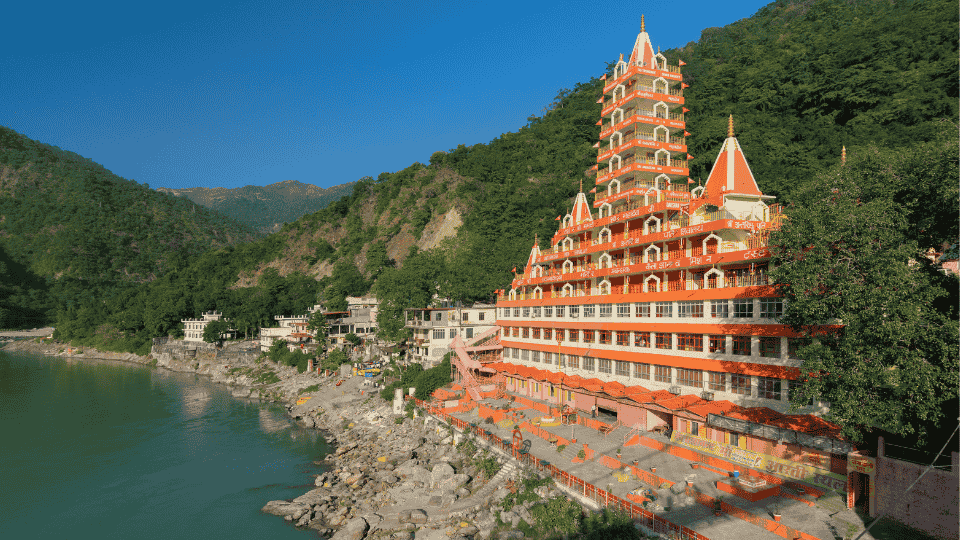
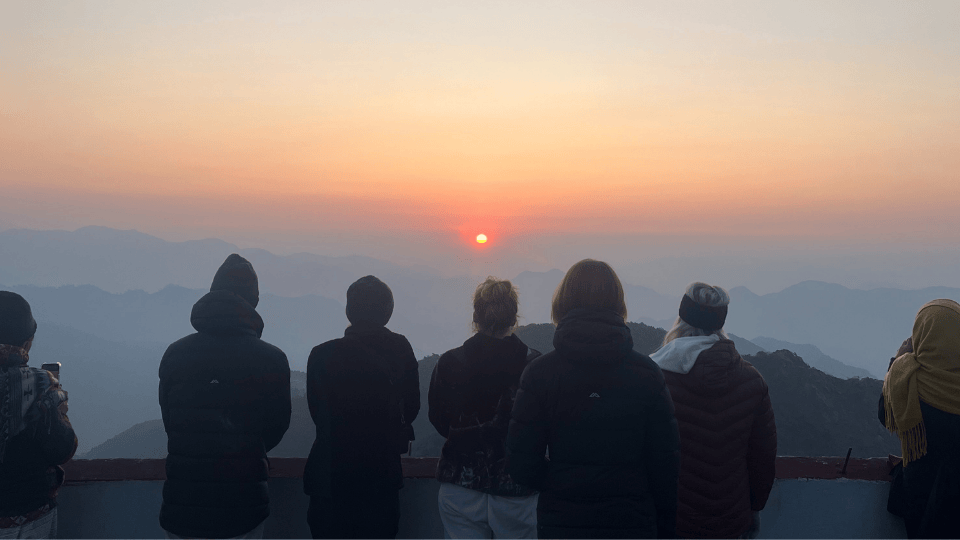
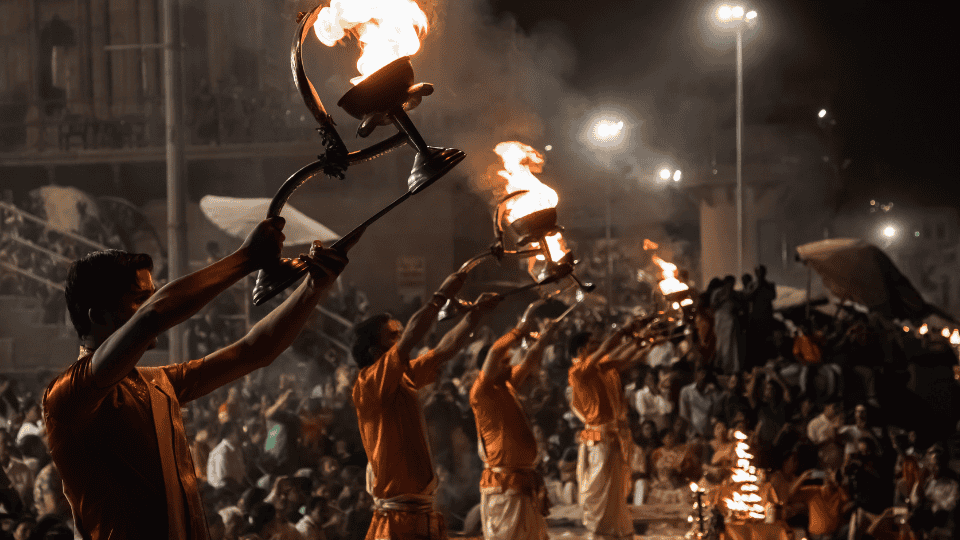

Our Professional Yoga Teachers
Soham Yoga School is managed by a team of professional yoga teachers who are competent and passionate in their work and have a great understanding of traditional and contemporary yogic practices. With our 500 Hour Yoga Teacher Training in Rishikesh, students do get the true guidance that can help them in personal transformation, as well as the professional development, so that they can acquire a solid, self-assured, and balanced background in yoga.

Yogi Mohan ji

Yogi Vikash Bisht ji

Yogi Prakash ji

Abhishek Pokhriya ji
✢ Vital Rules and Standards for the 500 hour Yoga Teacher Training in Rishikesh✢
At Soham Yoga School, our commitment is assisting you in the trip to inner peace, enlightenment, and spiritual awakening. Our carefully prepared set of norms is systematically designed in such a way that your yoga practice becomes the most enlightening and transformative learning experience. Integrity and love are the main virtues in a creative and sacred practice.
These ideas are not only suitable for personal well-being, but they help yoga and yogic philosophy in its essence and spiritual introduction. Following these principles, you will be a part of a peer-supporting, minded community that embraces the same goals as you.
For detailed information regarding our regulations and their contribution to your journey.
Our Upcoming Yoga Teacher Training Courses in Rishikesh
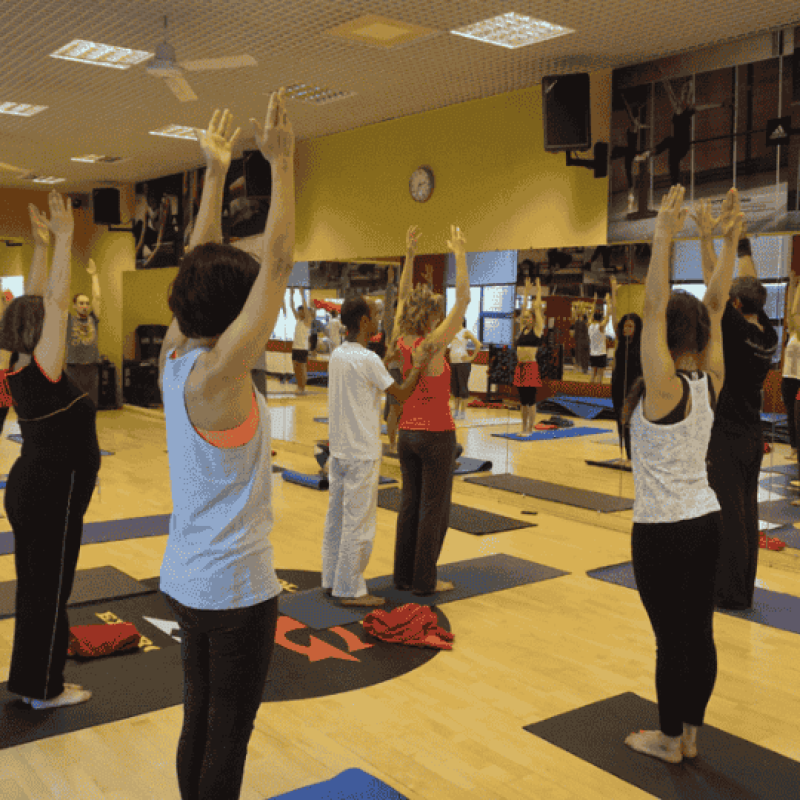
200 Hour Yoga Teacher Training in Rishikesh (India)
Duration: 22 Days
Module: Residential with Meal
Accommodation: Shared Room
Certification: Yoga Alliance USA
Course Fee: 1180 USD
Yoga Style: Hatha Yoga
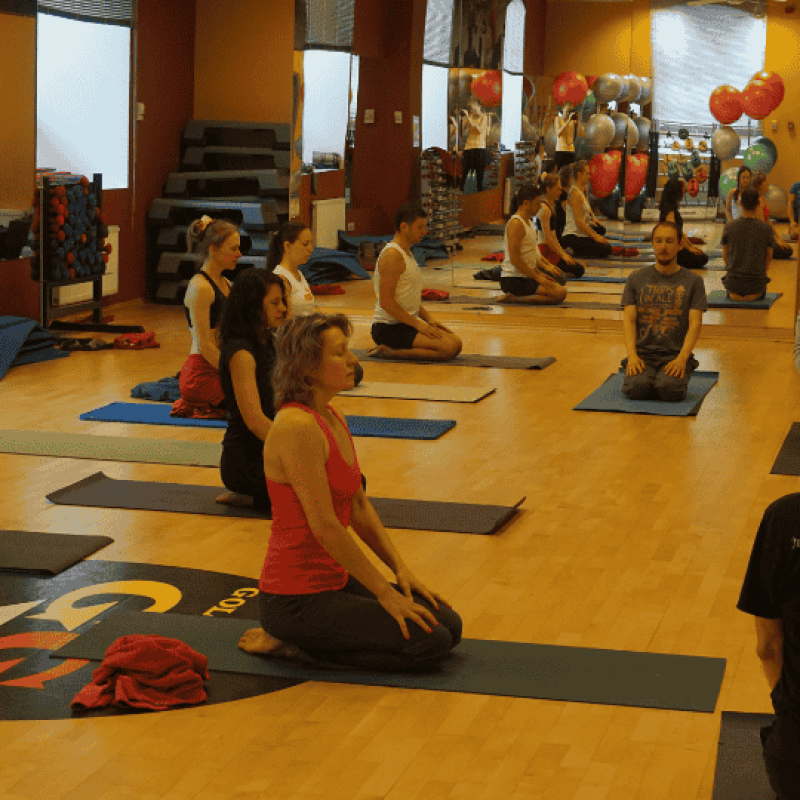
300 Hour Yoga Teacher Training in Rishikesh (India)
Duration: 25 Days
Module: Residential with Meal
Accommodation: Shared Room
Certification: Yoga Alliance USA
Course Fee: 1430 USD
Yoga Style: Hatha Yoga
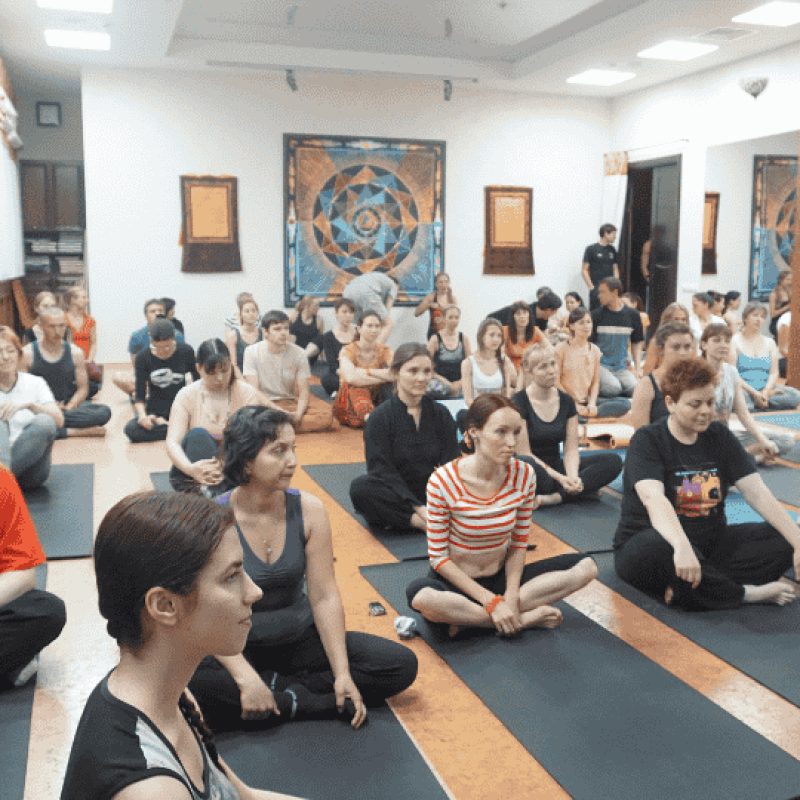
500 Hour Yoga Teacher Training in Rishikesh (India)
Duration: 49 Days
Module: Residential with Meal
Accommodation: Shared Room
Certification: Yoga Alliance USA
Course Fee: 2699 USD
Yoga Style: Hatha Yoga
500 Hour Yoga Teacher Training in Rishikesh, India: Frequently Asked Questions
Welcome to our 500 Hour Yoga Teacher Training Course in Rishikesh, India. For expert yoga therapists and those aspiring to teach yoga, this extensive program integrates the 200- and 300-hour courses into a single advanced course. To help you with this evolution, we’ve included answers to some of the most frequently asked questions below.
The 500-hours Yoga Teacher Training Course immerses students in yoga practice blending basic techniques with higher-level concepts. This program has certification from Yoga Alliance USA aiming to provide a deep grasp of yoga poses, breathing exercises, meditation, body structure, philosophy, and ways to teach. It helps students to gain advanced knowledge in these areas.
This course is suitable for:
- Beginners and intermediate practitioners who are serious about deepening their practice.
- Aspiring yoga teachers who want to be fully certified.
- Experienced practitioners seeking extra knowledge and training in teaching.
- There is no prerequisite for the full 500-hour Yoga Teacher Training Course and it is open for certification.
Yes, the course is Yoga Alliance USA-certified, and graduates can register as RYT-500 (Registered Yoga Teacher) and thus can teach yoga anywhere in the world.
This is conducted in Rishikesh, India, commonly known as the Yoga Capital of the World. Situated amidst the soothing Himalayan foothills, as well as the holy Ganga River, this place sets a very spiritual and peaceful ambiance for deep yoga training.
The curriculum covers
- Hatha Yoga and Vinyasa Flow: Asana practice alignment, and adjustments.
- Pranayama: Advanced techniques for managing breath for focus and energy.
- Meditation and Mindfulness: Methods to boost inner awareness.
- Yoga Philosophy: Exploration of Yoga Sutras, Bhagavad Gita, and other texts.
- Yoga Anatomy: In-depth understanding of the human body and its link to yoga.
- Teaching Methodology: Ways to sequence, manage classrooms, and teach advanced students.
The course will last for 8 weeks, or 56 days, where the student gets a comprehensive exposure to theory, practice, and self-reflection.
The course fee includes:
- Accommodation for the entire duration of the course.
- Three healthy vegetarian meals daily.
- Course manuals and study materials.
- Access to yoga mats, props, and other essentials.
- Yoga Alliance certification upon successful completion.
Yes, upon completing the course and registering with Yoga Alliance, you will be qualified to teach yoga anywhere in the world as an RYT-500.
Currently, the 500-hour yoga teacher training course is offered as an in-person program in Rishikesh, as the immersive nature of the course requires direct interaction with instructors and peers.
Indeed, we accept students from all around the world. Our experienced instructors ensure a culturally inclusive and enriching experience for everyone.
You should bring:
- Comfortable yoga attire.
- Personal toiletries and reusable water bottles.
- Any personal medications or supplements you require.
A center of spirituality, Rishikesh is known for being the home of yoga. The tranquil environment, sacred energy, and experienced teachers make it the ideal destination for advanced yoga training.
The 500-hour yoga teacher training course is a comprehensive program that includes both foundational (200-hour) and advanced (300-hour) levels in one seamless training. It provides a deeper understanding of yoga techniques, philosophy, and teaching methodologies.
The daily schedule includes:
- Morning meditation and pranayama sessions.
- Asana practice and alignment workshops.
- Philosophy and anatomy lectures.
- Teaching practice and methodology sessions.
- Evening meditation or group discussions.
To register, visit our website and complete the application form under the 500-Hour yoga teacher training course section. Feel free to contact us for guidance during the enrollment process.
Attendance is mandatory for Yoga Alliance certification, but we provide support for missed sessions through recordings or additional mentoring to ensure you stay on track.
Our 500-Hour Yoga Teacher Training Course in Rishikesh combines traditional yoga teachings with modern methodologies, guided by highly experienced teachers. The serene spiritual setting amplifies the transformative experience.
Lorem ipsum dolor sit amet, consectetur adipiscing elit. Ut elit tellus, luctus nec ullamcorper mattis, pulvinar dapibus leo.