Introduction to Bhujangasana (Cobra pose)
Bhujangasana coverse letter to cobra pose, a gentle back-bending asana that is most commonly practiced in yoga to expand the chest, develop the spine, and speed up body awareness. The name derives from the Sanskrit words bhujanga, or serpent/cobra, and asana, meaning posture. In this position, the torso rises off the floor and stretches up like a cobra lifting its hood.
Bhujangasana is frequently included in beginner and intermediate yoga sequences as it helps improve posture. Reduce stiffness in the back, and allow one to experience a sense of energy and openness within the body. This pose not only grants physical balance but also brings about calm breathing. Mental focus which makes it an important aspect of a holistic yoga practice.
What Is Bhujangasana (Cobra Pose) in Yoga?
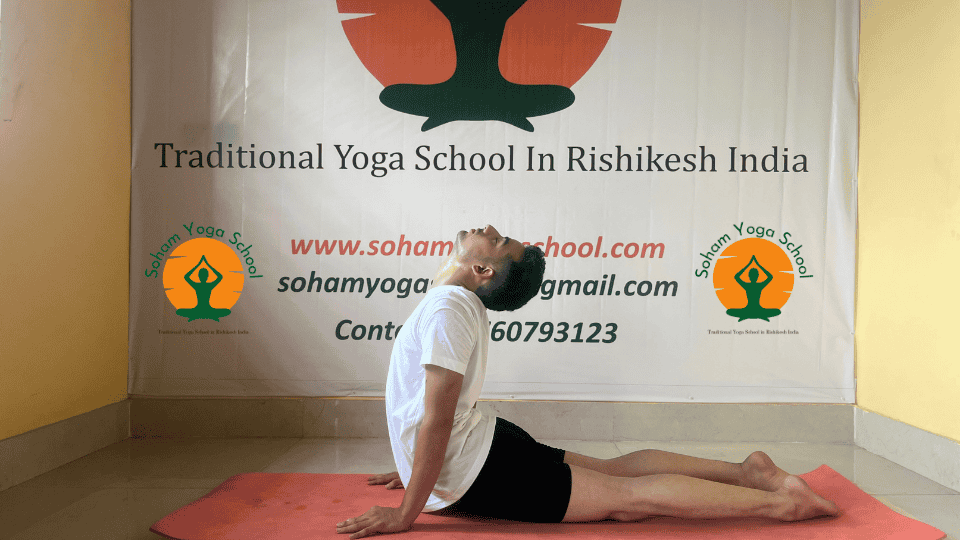
Bhujangasana, also known as Cobra Pose, is a basic yoga pose in which the practitioner raises their chest. Upward while the legs and lower body stay attached to the mat. This gentle backbend is performed to increase spinal mobility, to stretch the front body, and strengthen the back, shoulder, and arm muscles. Bhujangasana is one of the poses I appreciate most in yoga, not only for its physical properties but for its ability to open up both the chest and help regulate breath — breathing steadily and mindfully.
The pose is easy to learn and highly effective, commonly included in Hatha Yoga, Vinyasa flows, and beginner-friendly yoga sequences. Bhujangasana, a familiar pose in modern Yoga practice, aids better posture, body awareness, and overall flexibility, making it an important pose for anyone looking to build a strong and balanced yoga routine.
How to Do Bhujangasana Step by Step
- Lie face down with your legs extended straight behind you and the tops of your feet on the mat. Keep your feet closer together or hip-width apart, whichever feels better in your lower back.
- Press your palms into the floor under your shoulders and keep your elbows close to your body. If preparing to lift, let your forehead or chin settle gently onto the mat.
- Take a long, deep breath in and begin to lift your head, chest, and upper abdominals away from the floor. Leverage your back muscles first, and lightly press into the palms for support.
- Maintain a slight bend in your elbows; don’t lock out your arms. Your shoulders should remain relaxed and open away from your ears.
- Press through your pelvis, thighs, and feet into the floor while opening up your chest forward and lifting it up. This helps create length throughout the spine rather than compressing the lower back.
- Look straight ahead or up a notch without tossing your head back. Relax your neck — keep it long and comfortable.
- For a few breaths, hold that pose while breathing slowly and evenly. So, stay as high as your body will allow without going into strain.
- To exit the pose, breathe out and lower your chest, shoulders, and forehead back to the mat slowly.
- Release for a breath with arms by your sides, or turn your head to one side, then repeat the pose as needed.
- Rather than practicing mindlessly, focus on breathing smoothly, being in the right alignment, and being comfortable.
Benefits of doing Bhujangasana in your daily life.
- Strengthens the spine: Bhujangasana is beneficial for toning and strengthening the back muscles supporting your spine, resulting in better posture.
- Increases flexibility: This pose stretches the chest, shoulders and abdominal area, increasing flexibility in the spine.
- Opens the chest: Cobra Pose really expands the chest area. which may help promote deeper breathing and release tension developed during long periods of sitting.
- Corrects poor posture: Bhujangasana works to strengthen your back body and open up the front, alleviating rounded shoulders and slouchy posture.
- Stretches the abdominal muscles: The pose provides a nice stretch for your stomach area that can be both invigorating and soothing.
- Improves body awareness: Doing the Bhujangasana mindfully makes you more aware of your spinal movement, alignment, and breath.
- May relieve mild back stiffness: If done correctly, this pose may help relieve tightness and stiffness in the upper and middle back.
- Energizes: Bhujangasana is often referred to as an energizing yoga pose as it opens the body and brings a sense of freshness.
- Encourages mental clarity: The steady breath and expansive sensation in the upper body can calm your thoughts and improve focus.
- Useful in yoga sequences: Bhujangasana is easy to incorporate into many yoga flows, and you’ll often practice it as part of a well-rounded routine for increasing strength or flexibility.
Contraindications of Bhujangasana
Benefits of Bhujangasana or Cobra Pose, but not for all. If you have a recent back injury, severe spinal disorder, slipped disk, or chronic lower back pain. It is very important that you either practice this pose under the guidance of a certified yoga teacher or avoid doing this pose altogether. It is also generally not recommended for individuals with recent abdominal surgery. Hernia, ulcers, or pregnancy due to the pressure applied to their abdomen that may cause discomfort.
Anyone with wrist injuries, shoulder pain, or carpal tunnel syndrome should also be cautious. Since the pose puts weight on the hands and arms. Ultimately, listen to the body and don’t force it into pain; yoga is meant to foster healing and balance, not strain or discomfort.
Modifications and Variations of Bhujangasana
Some modifications and variations of Bhujangasana make the pose accessible and more effective for various types of bodies. Their flexibility level, and practice goals. Beginners may perform the pose from a low Cobra, lifting just the chest off the ground but keeping the elbows bent and close to the body. This milder twist strengthens the back without straining the lower spine too much.
Some of the adaptations and variations of Bhujangasana can help to make this asana. More approachable and effective for different body types levels of flexibility, and purposes in practice. For beginners, a low Cobra Pose with only the chest slightly lifted off the mat and with bent elbows held close to the body is appropriate. This gentler version builds strength in the back, without much of a strain on the lower spine.
What are the Common Mistakes to Avoid in Bhujangasana
Common mistakes in Bhujangasana are lifting too high, locking the elbows, toning the shoulders, and throwing the head back. You also want to ground the legs and pelvis, rather than compressing the body into force from your hands and using the back muscles.
You also don’t want to rush the pose or hold your breath. Smooth breathing is key to helping the body remain relaxed and balanced. Practicing Bhujangasana mindfully and with cautious effort and appropriate alignment renders it much safer and more beneficial.
Conclusion
Bhujangasana, also known as Cobra Pose, is a very basic yet powerful yoga position that brings numerous physical and mental advantages to the practitioner. When practiced with right alignment and awareness more spinal flexibility and better posture, open chest. Encouragement of steady breathing: this pose is important in any yoga routine. However, it is still necessary to know its contraindications, steer clear of common errors, and apply appropriate adaptations when required. Practicing Bhujangasana mindfully and kindly to your limits ensures you can honor its benefits safely and let it be a nurturing part of your daily self-care.