
Human Anatomy and Physiology is the scientific study of the structure of the human body, including how its various systems work together to sustain life. Anatomy covers the physical structure of any organism, organs, tissues, muscles, bones, and cells, but physiology describes the way in which each of these works together to ensure health. From the way the heart beats and the blood flows to how the muscles move, and nerve signals are sent, all functions are related. Knowing one’s anatomy and physiology supports us in healing, maintaining health, and is highly inspirational for those of us interested in regular yoga practice or a career within the wellness industry.
What is Human Anatomy?
Human anatomy is the science that studies the structure of the human body and how all its parts are related. It enables us to see how the body is built and how various systems function in coordination to let us live and remain well. From the tiniest cells to multi-functional organs such as the heart and brain, every part of your body. has a purpose and contributes to an equilibrium that is crucial for not only health but survival.
Anatomy is a bit like studying an intricate map of your body. You find out how bones provide strength and support, muscles make you move, the heart pumps blood around your body, and various other organs do their bit to keep everything running along nicely. Each of the buildings is connected to the others, and everything is part of this incredible, intelligent system.
Whether you are a yoga student, a medical learner, or simply someone curious about how the body works, understanding anatomy is the first step toward developing a deeper awareness and connection with yourself.
What is Human Physiology?
Human physiology is the science of the mechanical, physical, and biochemical functions of normal humans or human tissues or organs. It describes how cells, tissues, and organ systems interact at multiple levels to enable life and to maintain a stable internal environment; this balance is termed homeostasis. Anatomy teaches us what the body’s structure and physiology help us to understand how these structures function.
Physiology reveals the splendid operation of things inside us, and of eliminating waste. It shows how the heart is always pumping blood around the body, how lungs enable you to breathe in air and expel carbon dioxide, and how the brain sends messages that regulate your every thought, movement, and feeling. Nerve signals through the brain give rise to a highly coordinated response throughout the entire body.
What’s really interesting about human physiology is that all of this complicated stuff happens all by itself, without us having to even give it much thought. From digesting the food we eat, to keeping our body temperature where it should be, and providing us with the energy that allows us to continue in this world…everything works perfectly.
By studying physiology, we learn how these systems work in harmony — a bit like the instruments in an orchestra playing together perfectly. Studying Human Physiology helps us to know our body in more detail and pick up some basics that help drive healthy living and wellness.
How Human Anatomy and Physiology Work Together
Human Anatomy and Physiology are the two subjects in the field of medical sciences. Anatomy describes the structure of body parts (bones, muscles, tissues, and organs) while physiology is concerned with how they work to keep a living organism alive. The architecture and design of each body part determine how it functions. For instance, the malleable design of joints helps facilitate ease of movement, and the laminated structure of skin lends protection to the body from external factors.
When taken together, Human Anatomy and Physiology show you how all bodily systems work in unison. There is the heart that pumps blood, lungs that take in oxygen, a brain that fires off signals, and muscles that follow orders; every system is reliant on the other systems working. This integrated knowledge can improve consciousness of health, avoid injury, and promote understanding of movement in particular practices like Yoga and fitness.
How Anatomy and Physiology Strengthen and Deepen Your Yoga Practice
The Knowing Human Anatomy and Physiology Can Turn Your Yoga Practice Around. Once you understand how your muscles, joints, bones, and organs work, you will move with more awareness and confidence. So when you’re just seeing and copying a posture, you know which muscle is stretching. which muscles are strengthening, and how your breath can support each one. This knowledge enables you to practice more safely and productively.
Human Anatomy and Physiology helps to strengthen your mind-body connection. For instance, when you learn about the structure of the spine. you will pay more attention to backbends and forward folds. Once you grok the respiratory system, your pranayama practice deepens and becomes more intentional. Knowing how the nervous system responds to stress can even improve your relaxation and meditation techniques.
By studying Human Anatomy and Physiology, yoga practice becomes more than just physical exercise—it becomes an intelligent and conscious experience. You learn to listen to your body, respect its limits, and gradually improve flexibility, strength, and balance. This scientific understanding supports injury prevention, enhances performance, and helps you grow both physically and mentally on your yoga journey.
In simple words, we can say that when science meets yoga, your practice becomes safer, smarter, and more meaningful.
Learn Human Anatomy and Physiology with YTTC in Rishikesh at Soham Yoga School
Soham Yoga School is one of the best yoga institutes located in Rishikesh, the Yoga Capital of the World. The school offers Yoga Alliance–certified teacher training courses such as 100-hour, 200-hour, 300-hour, and 500-hour programs. Its curriculum combines traditional Hatha and Ashtanga yoga, pranayama, meditation, philosophy, and Human Anatomy and Physiology.
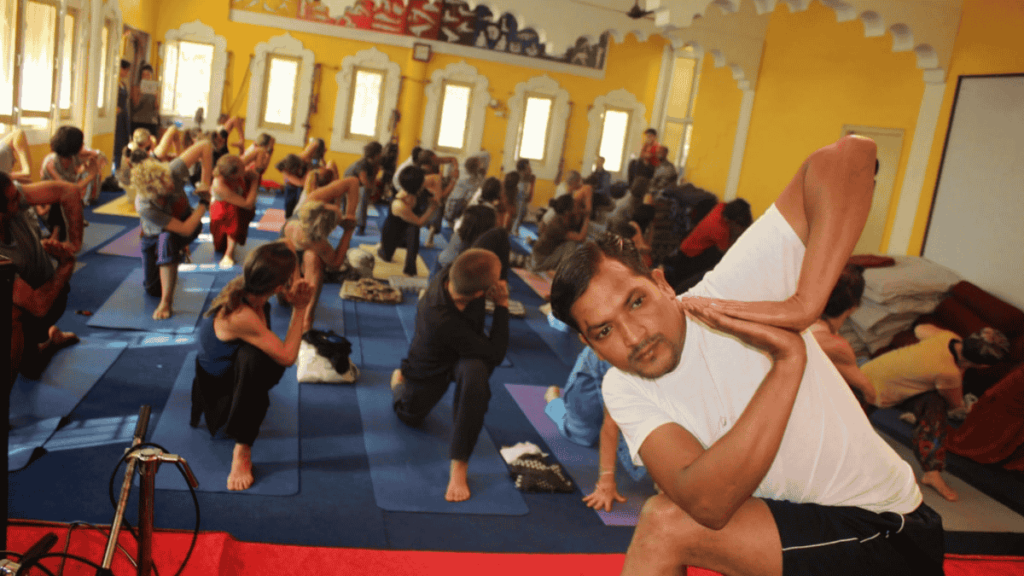
With experienced teachers and a peaceful Himalayan setting near the Ganges River, Soham Yoga School provides a supportive environment for personal growth, professional development.
- 100 Hour Yoga Teacher Training Course in Rishikesh
- 200 Hour Yoga Teacher Training Course in Rishikesh
- Best Yoga Retreat in Rishikesh
FAQs
Who is the father of Human Anatomy?
- Andreas Vesalius (1514–1564) is regarded as the Father of Human Anatomy. Compare17 Leonardo da Vinci: He led anatomy with the direct dissection of man and the scientific consideration in detail. His great book, ‘De Humani Corporis Fabrica’ (1543).
Who is the father of Human Physiology?
- The Father of Human Physiology is commonly attributed to William Harvey (1578–1657). He was the first to set forth an account of the circulation of blood and the functioning of the heart as a pump.
What are the types of Human Physiology?
- There are some types of human physiology: – Comparative Physiology, Environmental Physiology, Cell Physiology, Systemic Physiology, Pathophysiology, Exercise Physiology, Neurophysiology, Cardiovascular Physiology.