
A Complete Guide What Are the 7 Chakras?

Soham Yoga School Rishikesh, India
The 7 Chakras – A Complete Guide What Are the 7 Chakras?
The concept of chakras originates in ancient Indian spiritual traditions. Chakras are energy centers in the body through which vital life force (prana) flows. When these energy centers are balanced and open, they help align our physical, mental, and spiritual well-being. When blocked or dormant, they can cause discomfort or stagnation in life energy. In this guide, we will explore the 7 chakras, how they function, and how to activate chakras in the human body (a.k.a. chakra activation). Soham Yoga School proudly teaches holistic practices for awakening and balancing them.
What Are the 7 Chakras?
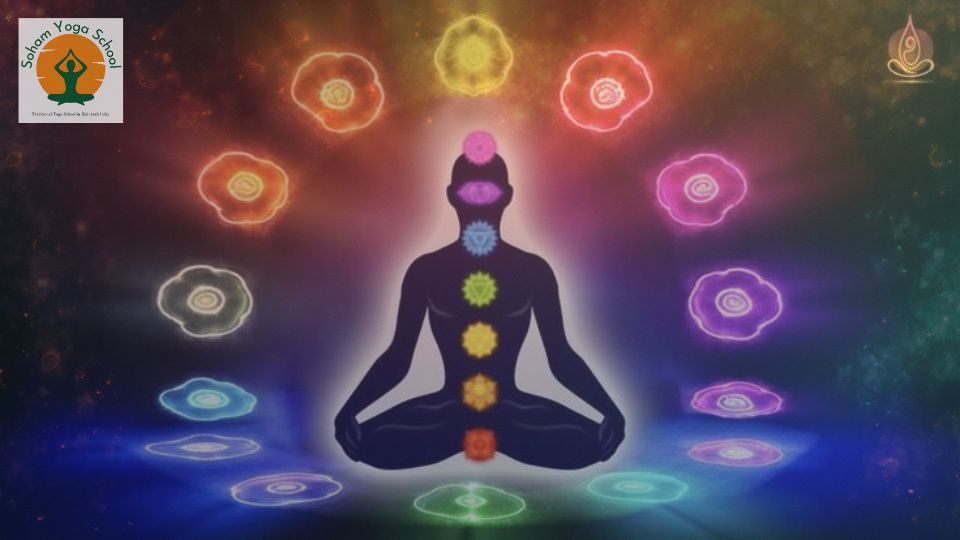
Here is a brief overview of the 7 major chakras (from base to crown) and their corresponding attributes:
Chakra | Sanskrit Name | Location | Color & Element | Key Qualities / Functions |
1. Root Chakra | Muladhara | Base of the spine (perineum) | Red, Earth | Grounding, survival, security, basic needs |
2. Sacral Chakra | Svadhisthana | Lower abdomen / below navel | Orange, Water | Emotions, creativity, sexuality, pleasure |
3. Solar Plexus Chakra | Manipura | Upper abdomen / navel region | Yellow, Fire | Personal power, will, digestion, confidence |
4. Heart Chakra | Anahata | Center of chest | Green (sometimes pink), Air | Love, compassion, forgiveness, relationships |
5. Throat Chakra | Vishuddha | Throat region | Blue, Ether (space) | Communication, self-expression, truth |
6. Third Eye Chakra | Ajna | Between the eyebrows | Indigo | Intuition, insight, wisdom, psychic faculties |
7. Crown Chakra | Sahasrara | Top of the head | Violet / White | Spiritual connection, transcendence, consciousness |
Each chakra acts like a wheel or vortex, spinning energy. When the flow is smooth, we feel balanced; when blocked or overactive, we may feel emotional or physical symptoms (e.g. root chakra issues may show as insecurity or lower back pain).
Why Chakra Activation Matters
- Holistic health: When chakras are aligned, it supports physical health, emotional balance, mental clarity, and spiritual growth.
- Energy flow: Proper chakra activation ensures prana (life energy) moves freely through the major energy channels (nadis).
- Self-awareness: Working with chakras deepens our connection to ourselves and reveals blocked patterns.
- Transformation: Many yoga or meditation practices aim for activating chakras to accelerate spiritual development.
Because of these benefits, many practitioners ask “how to activate your chakras” — which brings us to detailed techniques below.
How to Activate Chakras in the Human Body — Techniques for Chakra Activation
1. Meditation & Visualization
- Sit comfortably with a straight spine.
- Focus your attention on the chakra location (e.g. base of the spine for root).
- Visualize the chakra color (e.g. red for root; green for heart) glowing brighter.
- Pair this with a mantra (e.g. LAM for root, VAM for sacral, RAM for solar plexus, YAM for heart, HAM for throat, OM or AUM for third eye and crown).
- Hold for several minutes, breathing into that area.
2. Pranayama (Breathwork)
- Use breath techniques like alternate nostril breathing (Nadi Shodhana), Kapalabhati, or Ujjayi breath.
- Direct the breath to the chakra region. Inhale into the belly to energize lower chakras, or the chest for the heart chakra.
- This helps in activating chakras by stimulating internal energy channels.
3. Mantra Chanting / Sound Vibration
- Chanting the bija (seed) mantras (e.g. LAM, VAM, RAM, YAM, HAM, OM, Silence) aloud or internally.
- The vibration stimulates energy at that chakra.
- You can chant in sequence for all seven or focus on those needing activation.
4. Yoga Asanas (Postures)
- Specific yoga poses open or stimulate certain chakras:
- Root: Mountain pose, Warrior I & II
- Sacral: Goddess pose, hip openers
- Solar plexus: Boat pose, Warrior III
- Heart: Camel pose, Bridge, Backbends
- Throat: Fish pose, Shoulder stand
- Third Eye: Child’s pose, Dolphin
- Crown: Headstand, Savasana with awareness
- Holding these poses with awareness and breath fosters chakra activation.
5. Sound & Music Therapy
- Use singing bowls, tuning forks, or chakra-specific frequencies.
- Each chakra resonates with certain frequencies (e.g. 396 Hz for root, 528 Hz for heart).
- Immersing in sound helps unblock stagnant energy.
6. Crystals & Gemstones
- Place crystals associated with each chakra (e.g. red jasper for root, carnelian for sacral, citrine for solar plexus, rose quartz/emerald for heart, lapis lazuli/blue lace agate for throat, amethyst/lapis for third eye, clear quartz/selenite for crown).
- Use them during meditation or wear them as jewelry to help keep chakras balanced.
7. Affirmations & Journaling
- Use positive affirmations targeted at each chakra (e.g. “I am safe and grounded” for root, “I express my truth” for throat).
- Write about emotional blockages or inner resistances.
- This mental work complements energetic practice.
Sample: How to Activate Your Chakras — Step-by-Step Routine
- Begin with 5 minutes of alternate nostril breathing to balance your left and right channels (Ida & Pingala).
- Move through the chakra sequence:
- Root → Sacral → Solar Plexus → Heart → Throat → Third Eye → Crown
- At each chakra: visualize the color, chant the mantra, breathe consciously into it, and hold for 1–3 minutes.
- Root → Sacral → Solar Plexus → Heart → Throat → Third Eye → Crown
- After finishing, rest in Savasana, letting energy integrate.
- You may optionally play healing frequency sounds or place crystals on your body.
- End with gratitude or a short prayer.
This sequence is a practical way of activating chakras in an everyday session.
Physical Benefits of Surya Namaskar
Daily practice of Surya Namaskar yields a number of health-related advantages. Here is what such practice does for the body:
1. Flexibility and Strength Improvement
Every posture stretches and tones muscles, making space for flexibility and enhancing endurance to improve joint mobility.
2. Beneficial to the Heart
The flow of movements naturally elevates heart rates, ensuring blood circulation flows healthily through blood vessels.
3. Stimulates Digestive Activity
Forward bending and back bends compress abdominal organs, stimulating both the metabolism and digestion.
4. Aids Weight Reduction
This can be a really effective way of losing weight because Surya Namaskar burns calories.
5. Right Posture
Dandasana in Surya Namaskar is among the best-supported asanas to strengthen your spine and maintain a correct body posture.
6. Detoxifies Body
The body naturally detoxifies itself with the help of deep breathing and the blood benefits from the rich oxygen flow.
Metal and Spiritual Benefits of Surya Namaskar
Beyond imparting benefits to the body, Sun Salutation is an entirely spiritual practice.
- Stress and Anxiety Decreasing
The flow of breaths is rhythmic, pacifying the nervous system into a mindful state of being.
- Concentration Enhancement
During the practice of Surya Namaskar chanting the 12 names, it will help clear the mind and further induce focus.
- Balancing Energy (Prana)
The regular practice will align, as mentioned above, the energy centers or chakras of the body with balance or harmony internally.
- Promotes Gratitude and Positivity
It relates practitioners to the solar energy that sustains life in turn growing their gratitude and joy.
Precautions and Tips
- Practice on an empty stomach or 3–4 hours after eating.
- Avoid from fever, injury, or pregnancy without advice of experts.
- Always learn under such certified instructors, such as at Soham Yoga Classes.
- Get those moves modified if you have problems in your joints or back.
Frequently Asked Questions
Q1. How to activate chakras in human body?
— Use techniques like meditation, mantra chanting, breathwork, yoga poses, visualization, sound, crystals, and affirmations as described above.
Q2. How to activate your chakras quickly?
— Focus on one chakra that feels blocked, do 5–10 minutes of concentrated mantra + visualization, and breathe deeply into it.
Q3. Which chakra should I activate first?
— Usually practitioners begin from the root and move upward. But you may also work on the chakra that feels most blocked or relevant to your current life issues.
Q4. How long does chakra activation take?
— It depends on individual sensitivity, consistency of practice, and presence of blockages. Some feel subtle effects in days; deep unfolding may take weeks or months.
Q5. Can everyone activate their chakras?
— Yes, with regular practice (guided or self) and patience, most people can awaken their chakra energy over time.
Tips & Precautions
- Start slow: For beginners, focusing on 2–3 chakras at a time is better than trying all seven in one go.
- Balance, not overstimulation: Over-activating a chakra can cause an imbalance (e.g. excessive energy in the solar plexus may lead to aggression).
- Ground yourself: Always close your practice with grounding (e.g. walking barefoot, tree pose) to stabilize energy.
- Mind your intention: Chakra practices should be used with pure intent (healing, growth), not ego-driven goals.
- Seek guidance: At Soham Yoga School, trained instructors can help you tailor practices safely and effectively.
The 7 chakras form a foundational framework for understanding and working with our subtle energy system. By learning what the 7 chakras are and exploring methods for activating chakras in the human body, you open the door to deeper balance, insight, and transformation. Whether through visualization, sacred mantra, yoga postures, or breathwork, consistent practice empowers you to sense and harmonize your energy centers.
At Soham Yoga School, we emphasize a holistic, guided approach to chakra activation — helping students not merely perform techniques but truly awaken their inner light.
If you like, I can also prepare a version of this article optimized for SEO (with LSI term placements), or one tailored to a particular audience (beginners, yoga practitioners, etc.). Would you like me to do that next?
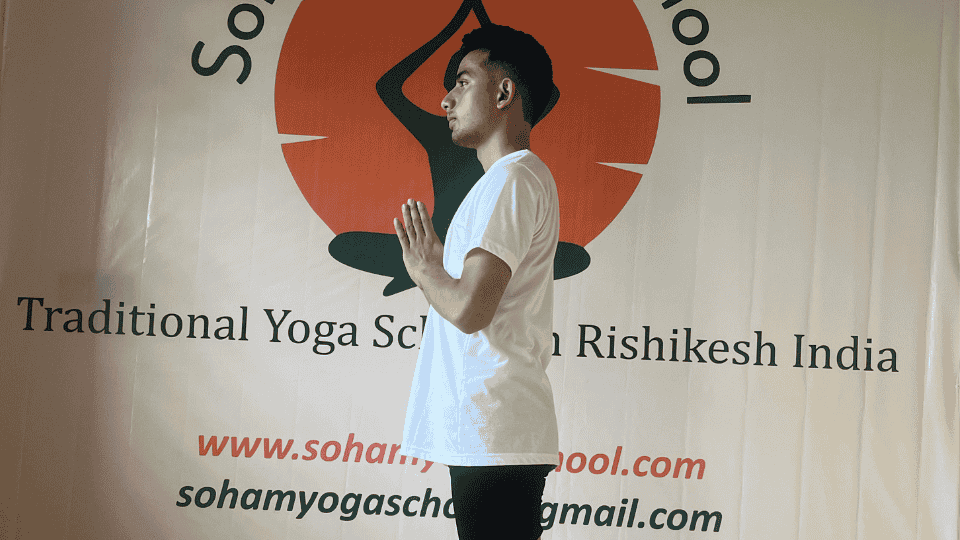
Pranamasana: Introduction, Benefits, Contraindications and Modifications
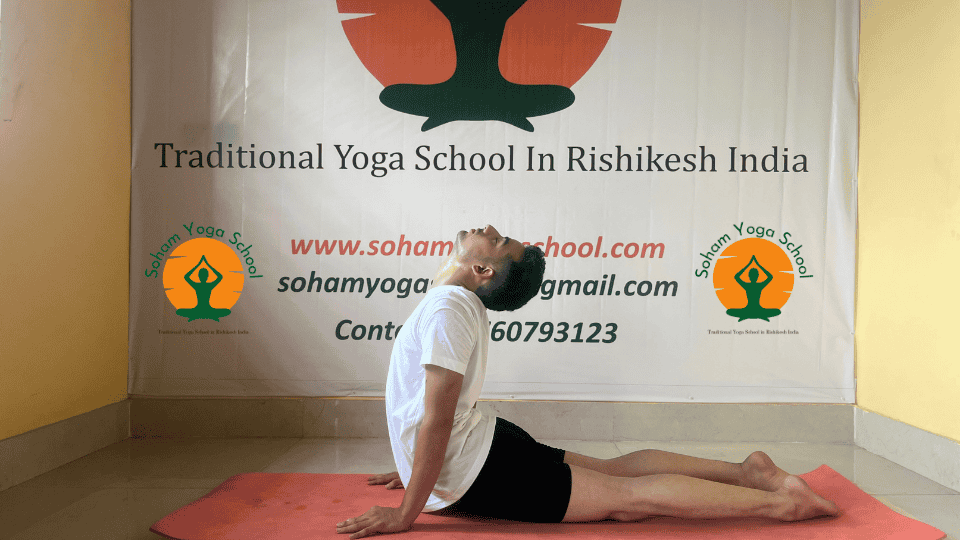
Bhujangasana (Cobra Pose): Steps, Benefits, Contraindications and Modifications
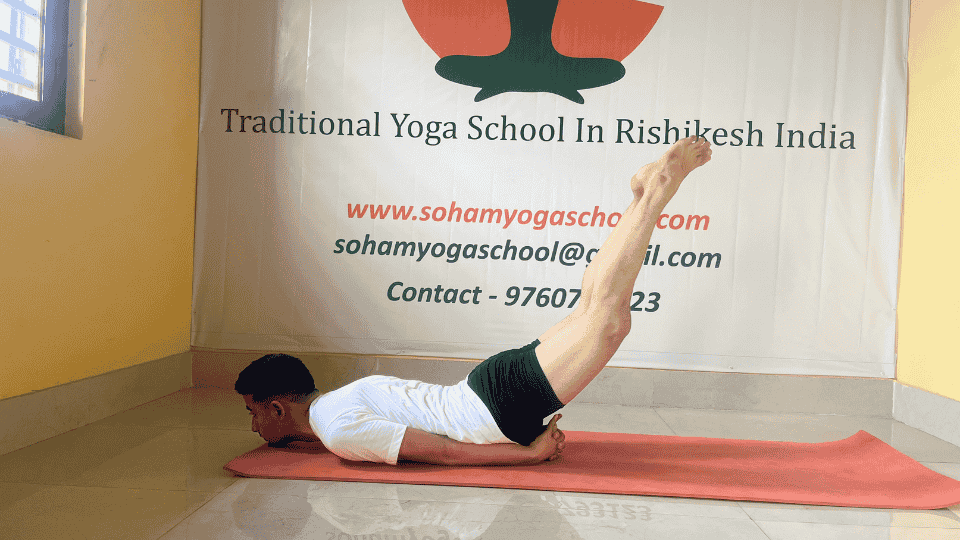
How to Do Rajkapotasana (Pigeon Pose)